Understand your
body better.
Evidence-based guides on fitness, nutrition, and understanding health metrics.
✦ AI-powered — understands natural language

Your Cycle's Range Tells You More Than Its Average

Why Percentage Macro Splits Cut Your Protein When You Diet
Percentage splits tie your protein target to your calorie target, so cutting calories cuts protein — exactly backwards. Set protein and fat first, then fill with carbs.

"Ideal Weight" Means Three Different Things Depending Who's Asking
Ideal weight formulas were built for drug dosing and ventilator settings. Used as a personal health target they answer a question they were never designed for.

Your Height Isn't One Number: Measurement Variation Explained
You're 1–2 cm taller in the morning, and "5.9" means two different heights. Why height is a measurement with error bars, and how to take a consistent one.

Your Due Date Is a Distribution, Not a Deadline
Only about 4% of babies arrive on their due date. Here's what the birth timing distribution actually looks like, why early term and full term differ, and how to plan.

Running, Cycling, Swimming: Why Body Weight Matters Differently
Body weight roughly doubles your running burn but barely changes flat cycling. Here's why weight-bearing and supported activities scale so differently — and where METs fail.

Why 300 Calories of Soup Beats 300 Calories of Crisps
Two 300-calorie lunches can leave you full or starving. Energy density explains why the same calorie target feels effortless with some foods and impossible with others.

Your Activity Multiplier Is a Bigger Guess Than Your BMR
BMR formulas land within about 10% for most people. The activity multiplier you pick afterwards can swing your daily total by 800 calories. Here's where energy actually goes.

The Relative Age Effect: Why Birth Month Shapes School and Sport
Children born just after a school or sport cutoff date are up to a year older than their classmates. That gap shapes selection, confidence, and outcomes for years.
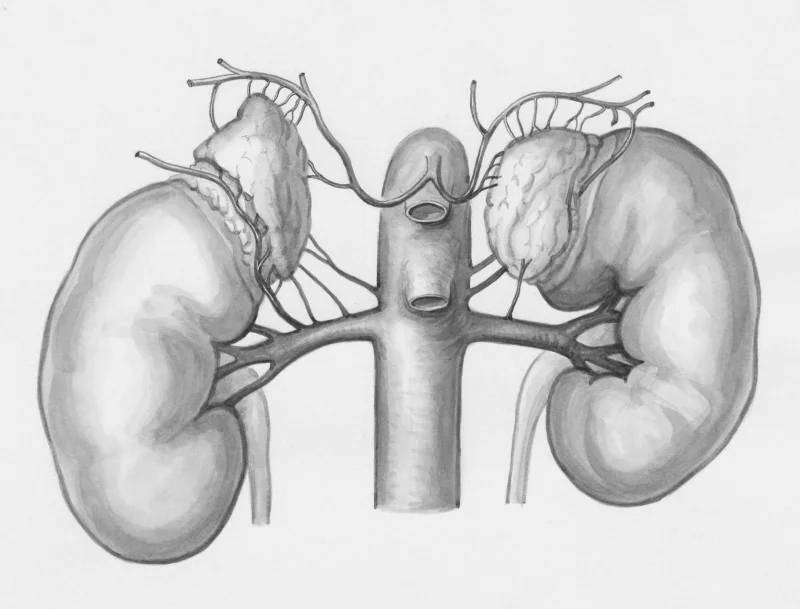
Why Kidney Stone Patients Should Not Restrict Calcium — Stone Formation Chemistry, Urine Concentration, and the 2-Litre Target
Approximately 50% of kidney stone patients have a recurrence within 5 years — and inadequate hydration is the single most modifiable risk factor, because concentrated urine allows crystals to nucleate before being flushed out. Here's the stone formation chemistry for each type (calcium oxalate, uric acid, struvite, cystine), why restricting dietary calcium actually increases oxalate stone risk, why 2 litres of urine output requires approximately 3 litres of fluid intake, and why lemon juice increases urinary citrate as a validated dietary intervention.

The Obesity Paradox: Why the BMI Mortality Curve Is U-Shaped
Some large studies find the lowest mortality in the "overweight" BMI band. The explanation is mostly confounding and reverse causation — here's how to read those findings.

The Scale Hasn't Moved in Six Weeks — Reading Recomposition
A flat scale weight can hide meaningful changes in body composition. Here's which measurements actually reveal recomposition and how to interpret them over time.

The Hidden Variable in Step Counting — How NEAT Variation of 2,000 kcal/Day Dwarfs What Most Exercise Burns
NEAT (Non-Exercise Activity Thermogenesis) — calories burned through all movement that isn't formal exercise — varies by up to 2,000 kcal/day between people of similar size, a larger range than most people's structured workouts. Here's why increasing exercise sometimes doesn't increase total daily calorie burn (NEAT compensation), the metabolically optimal walking speed, why fit people burn fewer calories per step than unfit people of the same weight, and why spreading steps organically through the day may produce more net calorie burn than a single deliberate walk.
