Every unit,
instantly.
The science and history behind units, measurements, and conversions.
✦ AI-powered — understands natural language

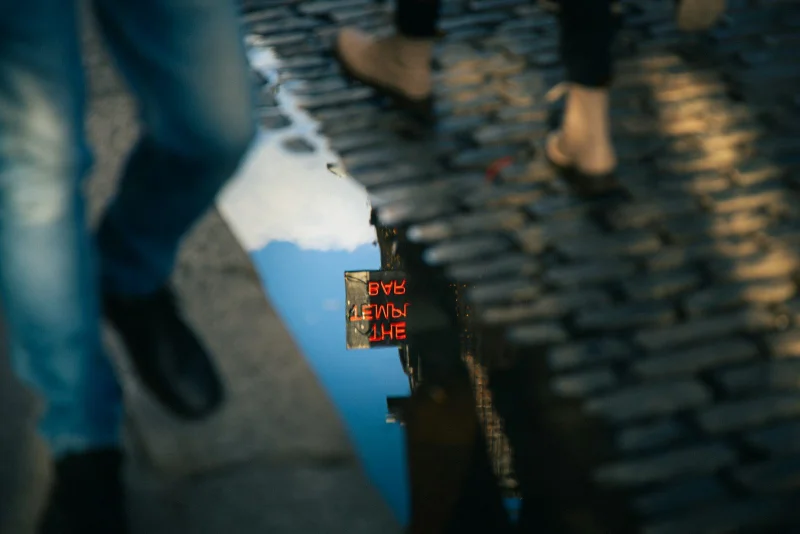
Ten Metres of Water Equals Eight Kilometres of Air
Four Different Things Are All Called Watts
An 800 W microwave draws 1,300 W. A 2,000 W air conditioner averages 600 W. Input, output, apparent and average power are four different things called watts.

The Metre Is Defined by Light — and the Inch by the Metre
The metre is defined by the speed of light, and the inch is defined by the metre. Why conversions are exact, and why your calculator's fourteen digits are still wrong.

Drag Rises With Speed Squared: The Real Cost of 130 km/h
Aerodynamic drag rises with the square of speed, so the last 20 km/h of motorway cruising costs far more than the first. The physics behind fuel economy at speed.
Why Wheels Spin Backwards on Film: Aliasing and Nyquist
Sample too slowly and frequencies don't disappear — they fold back and appear as signals that were never there. The Nyquist limit, aliasing, and why filters go first.

Why a Kettle Is 95% Efficient and a Power Station Is 45%
A kettle is 95% efficient and a power station is 45%. That's not engineering quality — it's the second law of thermodynamics, and it explains heat pumps too.

Why 20 MB of Files Takes Up 400 MB of Disk Space
100,000 files of 200 bytes each can consume 400 MB. Cluster sizes, slack space and filesystem metadata explain the gap between file size and space on disk.

EUR/USD or USD/EUR? Reading Currency Quotes Correctly
EUR/USD 1.0850 and USD/EUR 0.9217 are the same rate — but inverting a rounded quote costs you money. Base/quote conventions, cross rates and rounding rules explained.

Baker's Percentage: The Ratio That Makes Recipes Scalable
Baker's percentage turns any recipe into a scalable formula. Here's how hydration, salt and yeast ratios work — and how to convert a cup-based recipe into one.

Why One 18-Inch Pizza Beats Two 12-Inch Ones: Area Scaling
Doubling a dimension quadruples the area. That single rule explains pizza pricing, paint quantities, solar output, and why big rooms are cheaper to heat per square metre.

One Degree Off: How Small Angle Errors Compound Over Distance
A one-degree aiming error is invisible at arm's length and catastrophic at a kilometre. Here's the arc-length math behind MOA, mils, and surveying tolerances.

Why the Tola, Grain, and Troy Ounce Are Still in Active Use — Traditional Weight Units That Outlasted Metrication
The tola (11.664 grams) was never replaced in Indian and Gulf gold markets despite official metrication — because the South Asian gold trade embedded it in commercial practice so thoroughly that metric alternatives never displaced it. Here's why the grain (64.8 mg) persists in bullet weights and pharmacy, why a troy ounce (31.1g) and an avoirdupois ounce (28.3g) are different by 10% and both called "ounce," and why three different "tons" (short ton, metric tonne, long ton) each differ by enough to matter in commodity trading.
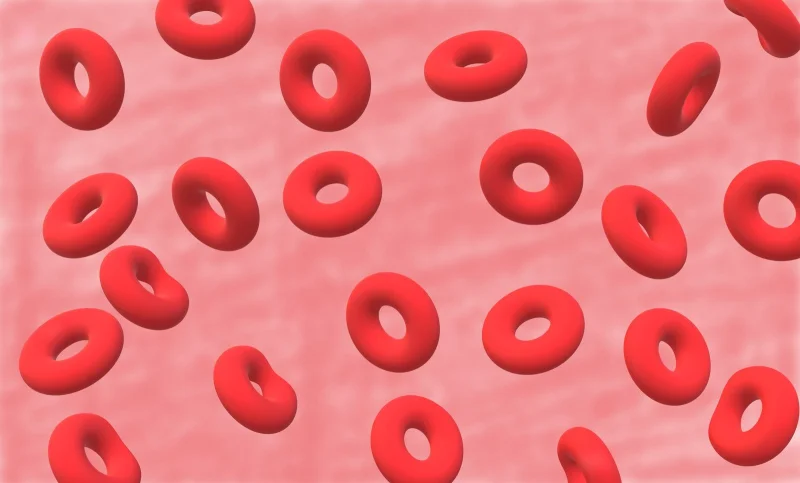
The Human Body Contains 42 Litres of Water — What Blood Volume, Lung Capacity, and Fluid Compartments Actually Mean Clinically
Losing 750 ml of blood (15% of total volume) is manageable — losing 1,500 ml is haemorrhagic shock, but rate matters as much as volume. Here's the ATLS haemorrhage classification by volume lost, the five lung volume subdivisions (TLC, VC, FRC, RV, tidal volume) and what each predicts in pulmonary disease, the 42-litre total body water distribution across intracellular and extracellular compartments, and why choosing the wrong IV fluid type (crystalloid vs colloid) worsens oedema while failing to restore plasma.
