Blood volume, lung capacity, and interstitial fluid — the major fluid volumes of the human body — are measured in litres and millilitres, but the clinical significance of each varies dramatically: losing 750 ml of blood (15% of total blood volume) is manageable, while losing 1,500 ml is life-threatening haemorrhagic shock, and the absolute volume matters far less than the rate of loss and the compensatory physiological response
Human physiology uses volume measurements extensively, but the intuition people bring from everyday fluid volumes (a cup of coffee, a bottle of water) doesn't translate directly to clinical significance — partly because different body fluid compartments have different functions, and partly because the body's compensatory mechanisms can maintain function despite significant volume loss until they suddenly can't.
Blood volume: the numbers and what they mean
Total blood volume in a healthy adult is approximately 70-80 ml per kilogram of body mass:
- 70 kg adult: approximately 4.9-5.6 litres (typically cited as ~5 litres)
- 90 kg adult: approximately 6.3-7.2 litres
The distribution within blood:
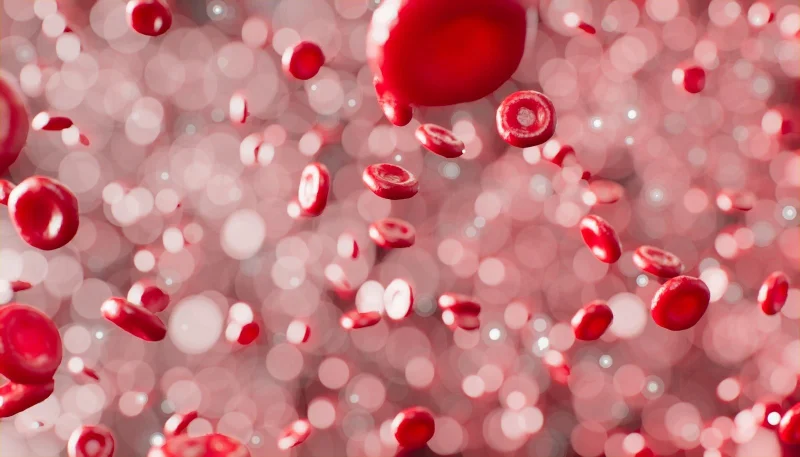
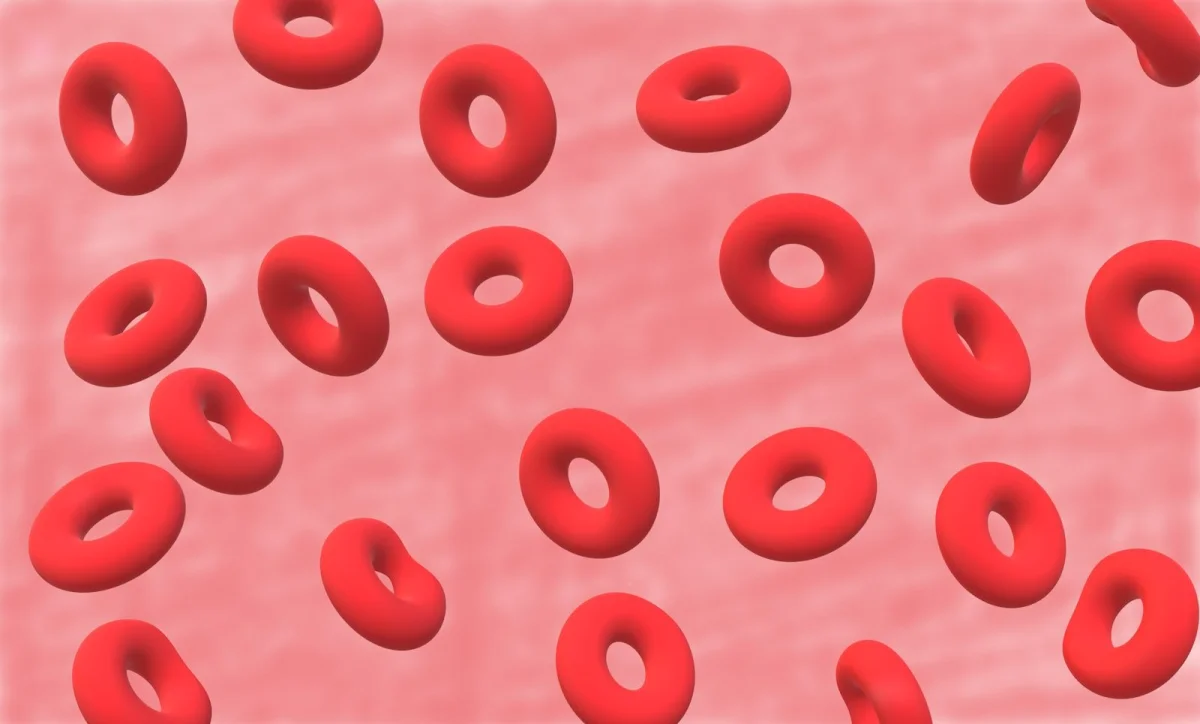
- Red blood cells: approximately 40-45% of total blood volume (the haematocrit)
- Plasma: approximately 55-60%
The ATLS (Advanced Trauma Life Support) haemorrhage classification by volume lost:
| Class | Volume lost | % of total blood | Symptoms |
|---|---|---|---|
| Class I | up to 750 ml | up to 15% | Minimal symptoms; compensated by vasoconstriction |
| Class II | 750-1,500 ml | 15-30% | Tachycardia, anxiety; still compensated |
| Class III | 1,500-2,000 ml | 30-40% | Confusion, hypotension; decompensating |
| Class IV | >2,000 ml | >40% | Life-threatening without immediate intervention |
Why rate matters as much as volume: losing 500 ml over 24 hours (as in a slowly bleeding peptic ulcer) allows significant physiological compensation. Losing 500 ml in 5 minutes (as in a lacerated femoral artery) may produce shock before compensation can occur.
Lung capacity: the subdivisions that matter clinically
Lung volumes are standardised measurements used in pulmonary function testing:
Total Lung Capacity (TLC): total air in lungs after maximum inhalation — approximately 6 litres in an adult male (5 litres in female)
Vital Capacity (VC): maximum air exhaled after maximum inhalation — approximately 4.5 litres (male), 3.5 litres (female). VC decreases with age, obesity, and restrictive lung disease.
Functional Residual Capacity (FRC): air remaining after a normal (not forced) exhalation — approximately 2.5 litres. The resting volume of the lungs.
Residual Volume (RV): air remaining after maximum forced exhalation — approximately 1.5 litres. Cannot be exhaled under any circumstances.
Tidal Volume: the volume of air exchanged in each normal breath at rest — approximately 500 ml (0.5 litres). At a normal respiratory rate of 12-20 breaths per minute: 500 ml × 16 = 8 litres/minute of ventilation.
The clinical relevance of these volumes: spirometry measures VC and FEV₁ (Forced Expiratory Volume in 1 second) to diagnose and monitor obstructive lung disease (asthma, COPD) and restrictive lung disease (pulmonary fibrosis). FEV₁/FVC ratio below 0.70 indicates obstruction; reduced FVC with normal ratio indicates restriction.
Body fluid compartments: where the water actually lives
Total Body Water (TBW): approximately 60% of body weight in adult males (55% in females, who have proportionally more adipose tissue, which contains less water). For a 70 kg male: approximately 42 litres of total body water.
The compartment breakdown:
- Intracellular fluid (ICF): approximately 28 litres (67% of TBW) — inside cells
- Extracellular fluid (ECF): approximately 14 litres (33% of TBW) — outside cells
- Interstitial fluid: approximately 11 litres — between cells and capillaries
- Plasma: approximately 3 litres — within blood vessels
- Transcellular fluids: approximately 1 litre — CSF, synovial fluid, intraocular fluid, etc.
Why compartment separation matters clinically: IV fluid administration must consider which compartment the fluid will enter. Normal saline (0.9% NaCl) distributes primarily in the ECF (both plasma and interstitial space). Dextrose solution distributes throughout TBW (because glucose enters cells). Colloid solutions (albumin) stay predominantly in the plasma. Choosing the wrong fluid type for a clinical scenario can worsen oedema while failing to restore plasma volume.
Daily fluid intake and output: the balance
Average daily fluid intake for an adult:
- Drinking: approximately 1,200-1,500 ml
- Food water content: approximately 700-900 ml
- Metabolic water (from cellular respiration): approximately 200-300 ml
- Total input: ~2,100-2,700 ml
Average daily fluid output:
- Urine: approximately 1,400-1,800 ml (can range from 500 ml to several litres depending on intake)
- Insensible losses (skin evaporation): approximately 500-600 ml
- Respiratory losses (breathing): approximately 300-400 ml
- Faecal losses: approximately 100-200 ml
- Total output: ~2,300-3,000 ml
Why fluid balance fluctuates: exercise (dramatically increased respiratory and skin losses), fever (insensible losses increase approximately 100-150 ml per degree Celsius of fever), humidity, altitude, and illness all affect the output side. The "8 glasses of water a day" rule is a rough approximation of the drinking intake needed to balance typical losses — the actual requirement is individual, variable, and context-dependent.
Surgical fluid management and the crystalloid debate
Perioperative fluid management — deciding how much IV fluid to give before, during, and after surgery — is one of the most debated topics in anaesthesiology and critical care medicine:
Liberal fluid strategy: gives more IV fluid to maintain volume — the traditional approach, associated with tissue oedema, delayed return of gut function, and pulmonary complications.
Restrictive fluid strategy: minimises IV fluid, accepting slightly reduced organ perfusion in exchange for less oedema — but risks oliguria (low urine output) and acute kidney injury if over-restricted.
Goal-directed fluid therapy (GDFT): uses haemodynamic monitoring (arterial line pressure variation, cardiac output monitors) to guide fluid administration — giving fluid only when specific physiological parameters indicate the patient is "fluid-responsive."
The crystalloid vs colloid debate: normal saline, Hartmann's solution, and Plasma-Lyte are crystalloids (salt solutions). Albumin, gelatins, and starches are colloids (larger molecules that stay in the plasma). NICE guidelines currently recommend crystalloids for most perioperative situations; colloids are reserved for specific indications.
How to use the Volume Converter on sadiqbd.com
- For medical dose calculations: convert between ml and litres when working with clinical volumes (blood transfusion volumes, IV bag sizes, lung function measurements) — clinical medicine uses ml and litres almost exclusively, while some references use decilitres (dL), particularly for blood test results
- For recipe conversions: convert between US cups, tablespoons, fluid ounces, and metric millilitres/litres when cooking from recipes written for different measurement systems — particularly when the difference between a UK and US tablespoon (14.8 ml vs 15 ml) is relevant for baking precision
- For international volume comparison: the UK pint (568 ml) and US pint (473 ml) differ significantly — convert when comparing beverage volumes across markets or when following UK vs US drinking recommendations
Frequently Asked Questions
If the average person has about 5 litres of blood, how is blood donation of 450-500 ml (roughly 10% of total) safe? Because the body compensates for a 10% blood volume reduction effectively and quickly. After donating approximately 450 ml, the body responds by: increasing heart rate slightly to maintain cardiac output, activating the renin-angiotensin-aldosterone system to retain sodium and water (beginning to restore plasma volume within hours), mobilising fluid from the interstitial compartment into the plasma, and over the following weeks, producing new red blood cells via erythropoiesis to restore the cellular component. Plasma volume (the fluid component) is typically restored within 24-48 hours. Full red blood cell recovery takes 4-6 weeks, which is why blood donation is limited to every 8-12 weeks. A healthy adult loses approximately 15% of their Class I haemorrhage threshold — comfortably within the compensated range.
Is the Volume Converter free? Yes — completely free, no sign-up required.
Try the Volume Converter free at sadiqbd.com — convert between millilitres, litres, fluid ounces, cups, pints, and gallons instantly.