Volume Converter
Articles, guides, and in-depth tips for the Volume Converter — everything you need to get the most out of it.
✦ AI-powered — understands natural language
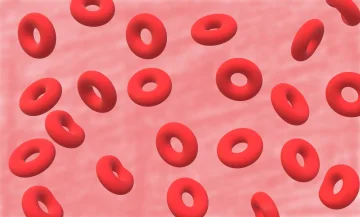
The Human Body Contains 42 Litres of Water — What Blood Volume, Lung Capacity, and Fluid Compartments Actually Mean Clinically
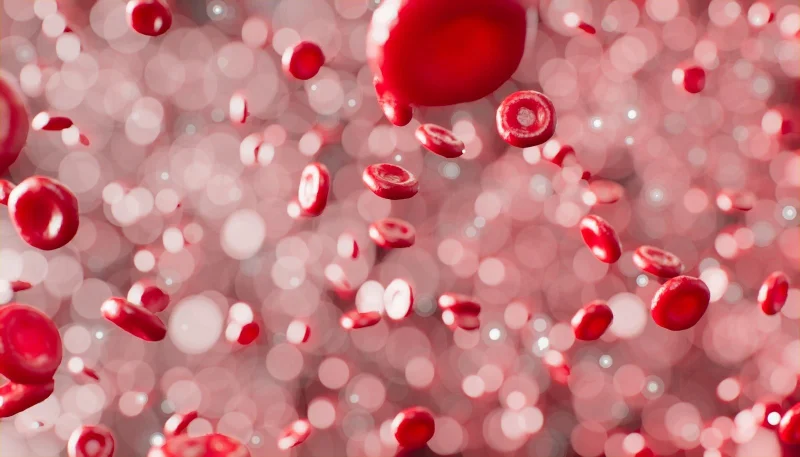
Why Blood Volume Is ~5 Litres and What That Number Explains About Shock, Donation Limits, and Surgery
Blood volume is approximately 5 litres (70 mL/kg) — which explains blood donation limits (450 mL is ~9%, safely within Class I shock threshold) and why haemorrhagic shock classes are defined where they are. Here's the complete lung volume framework (tidal, inspiratory reserve, residual — totalling ~5.8 litres), the 42-litre body water distribution across intracellular and extracellular compartments, and why gastric stretch receptor adaptation underlies persistent overeating patterns.

Why a UK Pint Is 20% Bigger Than a US Pint — and Other Volume Unit Confusions That Have Caused Real Disasters
A litre is exactly 1 cubic decimetre — a deliberate coherence design making metric volume directly compatible with metric length. Imperial and US customary volumes lack this coherence, and the US and UK versions of "fluid ounce," "pint," and "gallon" are all different sizes (UK pint is 20% larger than US pint). Here's why cups are almost exclusively a US convention, the NASA Mars Climate Orbiter's $327M unit-confusion lesson, and when "volume" and "capacity" mean different things.

Human Body Volumes: Blood, Lung Capacity, Gastric Volume, and What They Reveal About Health
Your body contains ~5 litres of blood, can expand its stomach to 3–4 litres, filters 180 litres of plasma through the kidneys daily, and your lungs hold ~6 litres at maximum capacity. Here's how physiological volume measurements work and what they reveal about cardiovascular shock, respiratory disease diagnosis, and satiety.
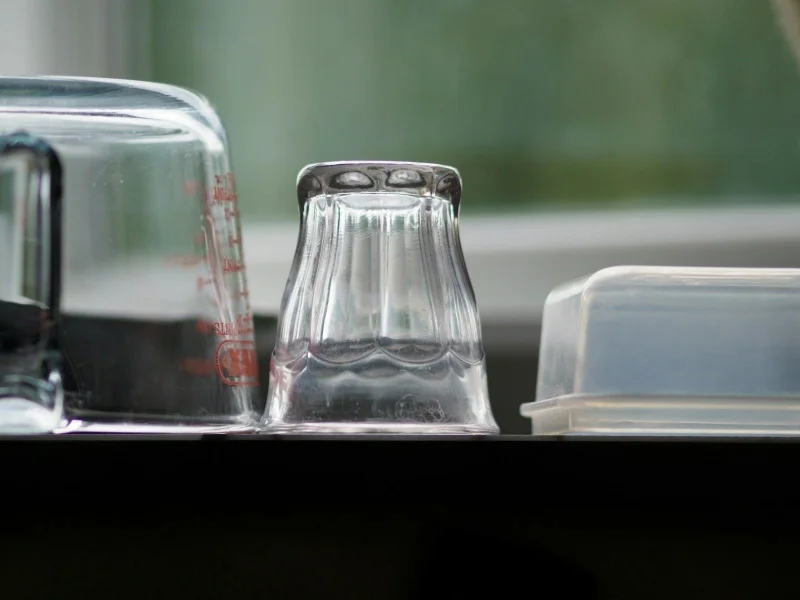
US vs UK Volume Measurements: Why Cups and Pints Differ — and Why Bakers Should Weigh Instead
A US cup is 240ml; an Australian cup is 250ml. A UK pint is 568ml; a US pint is 473ml. Here's why these differences matter in baking, why professional bakers weigh rather than measure, and the exact weight conversions for common baking ingredients.

Volume Converter — ml, Litres, US & UK Pints, Gallons & Cups Explained
Learn the US vs UK volume measurement differences, why a UK pint is 20% larger than a US pint, how to convert cups and gallons for cooking and fuel, and how to use a free volume converter for any scenario.
Volume Converter — ml, Litres, Cups, Gallons & Fluid Ounces Explained
Learn how volume units like ml, litres, cups, fluid ounces, and gallons relate — including the US vs. UK difference — with real examples for cooking, fuel, medicine, and industry.
