Blood volume is approximately 5 litres in an average adult — and this single fact explains why blood pressure is measured in mmHg (not kPa or PSI), why blood donation limits are set where they are, and why a specific combination of symptoms indicates a specific stage of haemorrhagic shock
The previous articles on this site covered volume unit basics, US vs UK volume differences, human body volumes broadly, and the pint-size and NASA Mars Orbiter disasters. This article addresses volume in medicine and physiology — the specific volume measurements that matter for understanding how the body works, and why medical convention uses specific units for each context.
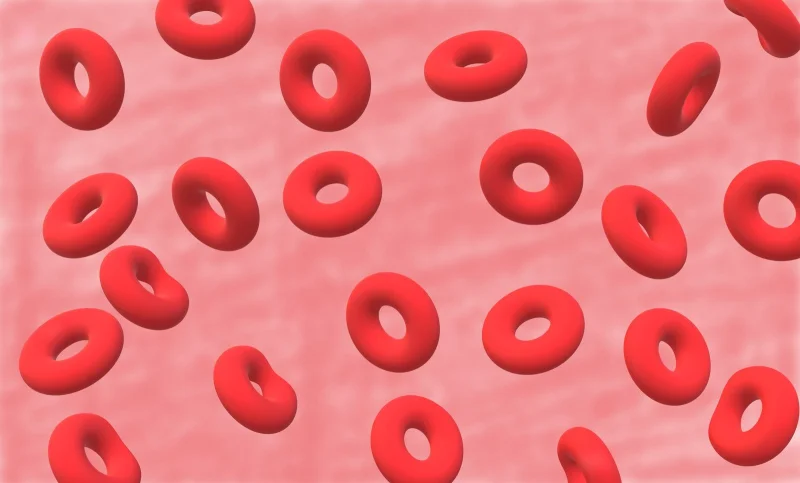
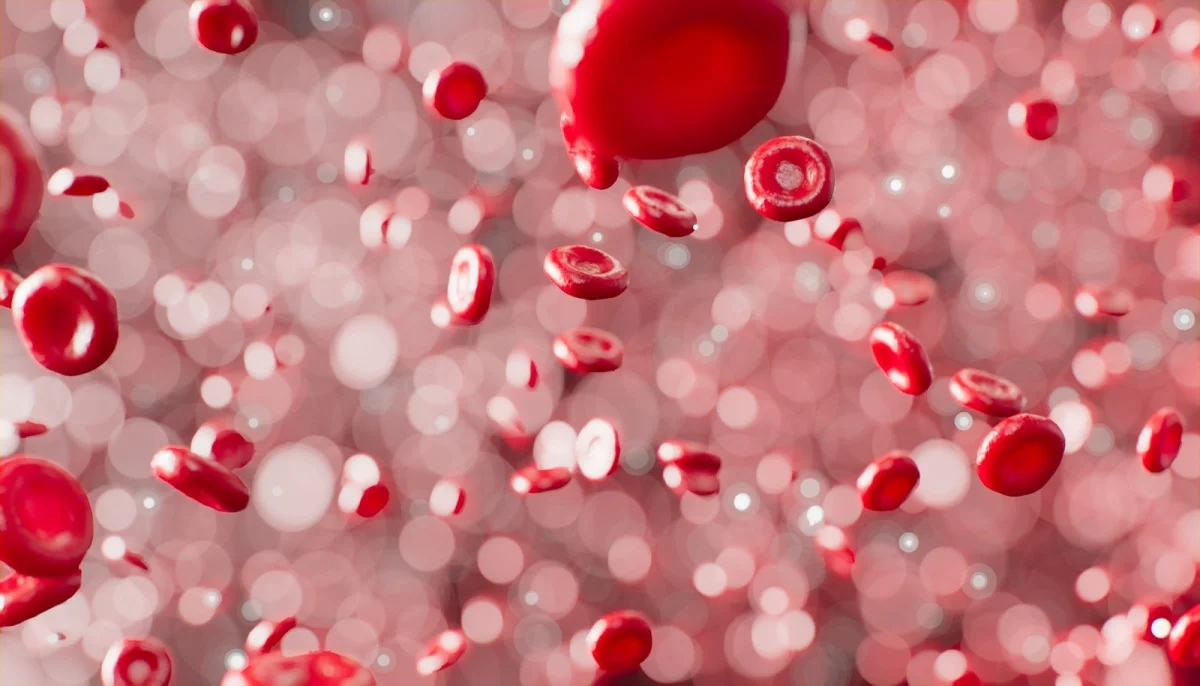
Blood volume and its clinical significance
Total blood volume in a healthy adult is approximately 70 mL per kilogram of body weight:
- 70 kg adult: ~4,900 mL ≈ 5 litres
- 50 kg adult: ~3,500 mL
- 90 kg adult: ~6,300 mL
Haemorrhagic shock classification (used in trauma medicine) is defined by percentage of blood volume lost:
| Class | Volume lost | Symptoms |
|---|---|---|
| Class I | <750 mL (<15%) | Minimal symptoms; pulse <100 bpm |
| Class II | 750–1,500 mL (15–30%) | Anxiety, increased heart rate (100–120 bpm), decreased pulse pressure |
| Class III | 1,500–2,000 mL (30–40%) | Confusion, heart rate >120 bpm, decreased blood pressure |
| Class IV | >2,000 mL (>40%) | Lethargy, very low blood pressure; immediately life-threatening |
Why 15% is the Class I threshold: the body has significant compensatory mechanisms that can maintain blood pressure and tissue perfusion up to approximately 15% blood loss. Beyond that, compensatory mechanisms begin to fail and symptoms appear.
Blood donation limits (typically 450-500 mL per donation in the UK and US) represent approximately 8-10% of total blood volume for most adult donors — safely within Class I, where compensatory mechanisms maintain normal function and the donor experiences at most mild light-headedness.
Lung capacity: the five volumes that describe breathing
Lung capacity is described using a set of defined volumes that overlap:
Tidal Volume (TV): the volume of air inhaled or exhaled in a normal breath at rest. Approximately 500 mL for an average adult.
Inspiratory Reserve Volume (IRV): the additional volume that can be inhaled beyond a normal tidal breath. Approximately 3,000 mL.
Expiratory Reserve Volume (ERV): the additional volume that can be forcibly exhaled beyond a normal tidal exhalation. Approximately 1,100 mL.
Residual Volume (RV): the volume of air remaining in the lungs after maximum exhalation — cannot be exhaled. Approximately 1,200 mL. (This is why lungs float in water — the residual volume of air is always present.)
Total Lung Capacity (TLC) = TV + IRV + ERV + RV = approximately 5,800 mL (5.8 litres)
Vital Capacity (VC) = TV + IRV + ERV = approximately 4,600 mL — the maximum volume that can be moved in and out of the lungs.
Clinical context: spirometry (the test used to diagnose asthma, COPD, and other respiratory conditions) measures Vital Capacity and FEV1 (Forced Expiratory Volume in 1 second) as the primary diagnostic values. A reduced VC indicates restrictive lung disease; a reduced FEV1/VC ratio indicates obstructive lung disease.
Fluid compartments: where body water is distributed
Total body water in an average adult is approximately 60% of body weight (varying with age, sex, and body composition — higher in muscular individuals, lower in those with higher body fat):
For a 70 kg adult: 70 × 0.60 = 42 litres total body water
Distribution:
- Intracellular fluid (inside cells): ~28 litres (67%)
- Extracellular fluid (outside cells): ~14 litres (33%)
- Interstitial fluid (between cells, lymph): ~11 litres
- Plasma (blood volume's liquid component): ~3 litres
- Transcellular fluids (cerebrospinal fluid, synovial fluid, etc.): ~1 litre
Why these compartments matter clinically:
- IV fluids given in hospital distribute differently depending on their composition — saline goes to extracellular space; dextrose (glucose) distributes across all compartments including intracellular
- Oedema (swelling) is excess fluid in the interstitial compartment
- Dehydration primarily reduces intracellular and extracellular fluid proportionally
Gastric volume: capacity vs comfortable capacity
The stomach's maximum capacity is approximately 1 to 1.5 litres in a typical adult when fully distended.
Empty resting volume: approximately 75-100 mL — the stomach is not a large empty cavity when unfilled.
Comfortable meal volume: approximately 300-500 mL — beyond this, stretch receptors trigger satiety signals and discomfort.
The "stretch your stomach by eating more" myth: the stomach doesn't permanently enlarge from eating large meals, but stretch receptor sensitivity can adapt — people who consistently overeat may require more stretch to feel full. This is one mechanism (alongside hormonal changes) behind how overeating patterns can persist and why portion normalization takes time to reset satiety signals.
Bariatric surgery (sleeve gastrectomy) reduces gastric volume to approximately 100-150 mL by removing most of the stomach — producing satiety from much smaller meals and also affecting ghrelin production (the hunger hormone, which is produced in the removed portion of the stomach).
How to use the Volume Converter on sadiqbd.com
- For medical contexts: mL and litres are the standard units — the converter handles conversions between mL, litres, and other units for reference or for understanding volumes in non-metric contexts
- For cooking and nutrition: the previous volume articles covered this in detail; for fluids specifically (water intake, drinks), mL is the standard and most nutrition labels use it
- For understanding body fluid measurements: blood test results, urine output measurements, and infusion rates are all in mL or mL/hour — converting these to other units (like litres or cups) can help contextualize the magnitudes
Frequently Asked Questions
How does drinking a large volume of water quickly (like 1-2 litres at once) affect the body? 1-2 litres consumed quickly is in the upper range of what causes discomfort but is generally safe for healthy adults in good health. The stomach's comfortable capacity is approximately 300-500 mL, so 1 litre consumed at once causes notable distension and discomfort. The kidneys can excrete approximately 1 litre per hour at maximum capacity — so drinking 1 litre quickly causes transient blood dilution that normalizes within 30-60 minutes. The risk case (hyponatraemia from excessive water intake) requires consuming very large volumes very quickly — typically associated with unusual circumstances like endurance racing, water drinking contests, or specific psychiatric conditions — rather than normal hydration practice.
Is the Volume Converter free? Yes — completely free, no sign-up required.
Try the Volume Converter free at sadiqbd.com — convert between mL, litres, fluid ounces, cups, pints, and gallons instantly.