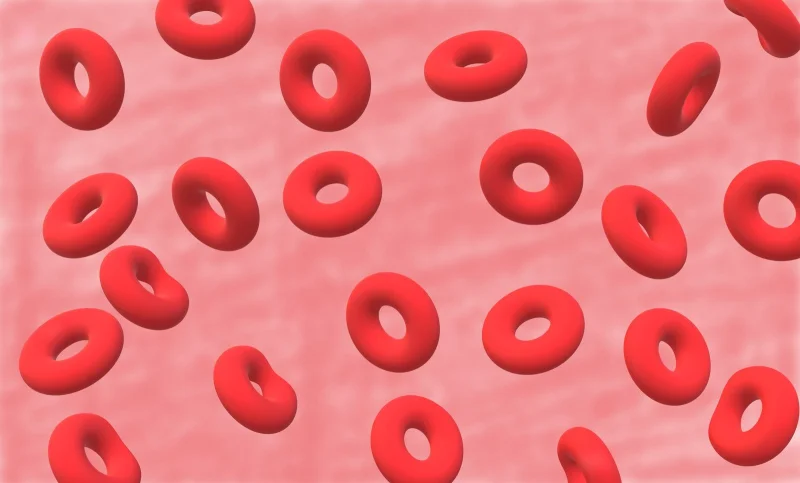
Your body contains roughly 5 litres of blood — and understanding how the body's fluid volumes work reveals why some medical conditions manifest the way they do
Volume measurement in physiology is specific and consequential. A 10% reduction in blood volume triggers measurable cardiovascular responses. A 20% reduction causes shock. Lung capacity measurements distinguish different types of respiratory disease. Gastric volume determines how quickly food moves through the digestive system and, with it, how satiety hormones are released.
Blood volume: the cardiovascular baseline
Adult blood volume: approximately 70–80 mL/kg body weight. For a 70kg adult: 70 × 70 = 4,900 mL ≈ 5 litres.
- Women: approximately 4.5 litres (lower due to lower average body weight)
- Men: approximately 5–6 litres
- A 500mL blood donation = approximately 10% of total blood volume
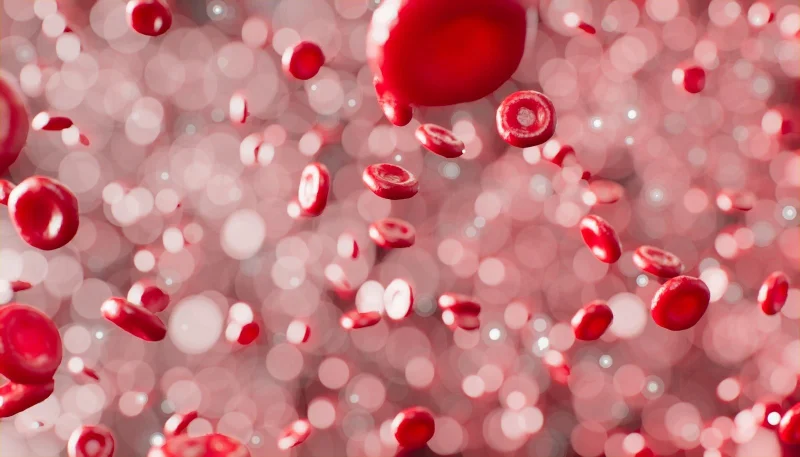
Haematocrit: the fraction of blood volume occupied by red blood cells. Normal range: men 40–54%, women 36–48%. A haematocrit of 45% means 45% of 5 litres = 2.25 litres of red blood cells; 2.75 litres of plasma.
Haemorrhage classification (ATLS):
- Class I (< 750 mL, < 15% blood volume): minimal symptoms
- Class II (750–1,500 mL, 15–30%): increased heart rate, anxiety, decreased pulse pressure
- Class III (1,500–2,000 mL, 30–40%): significant drop in blood pressure, confusion, markedly elevated heart rate
- Class IV (> 2,000 mL, > 40%): life-threatening; immediate transfusion required
This classification explains why 500mL blood donations are safe (Class I) but a 1.5-litre haemorrhage is a medical emergency (Class III).
Lung volume measurements
Respiratory physicians measure lung volumes to diagnose conditions:
Tidal Volume (TV): volume breathed in and out during normal, relaxed breathing. Approximately 0.5 litres per breath. At 12 breaths/minute: 6 litres/minute ventilation.
Vital Capacity (VC): maximum air exhaled after maximum inhalation. Approximately 4–5 litres for an adult male; 3–4 litres for a female. Reduced by restrictive lung diseases (fibrosis, obesity), reduced chest wall expansion.
Total Lung Capacity (TLC): all air in lungs after maximum inhalation. Approximately 6 litres for adult male. Includes vital capacity + residual volume.
Residual Volume (RV): air remaining after maximum exhalation. Approximately 1.2 litres. Keeps the lungs from fully collapsing.
FEV1 (Forced Expiratory Volume in 1 second): how much air can be forcibly exhaled in 1 second from maximum inhalation.
FEV1/FVC ratio: the key diagnostic ratio:
- Normal: >70% (most air expelled in the first second)
- Obstructive (asthma, COPD): < 70% (airways narrowed; air leaves slowly)
- Restrictive (fibrosis): normal ratio but reduced absolute volumes (less total air available but it leaves at normal speed)
Gastric volume and satiety
The stomach has a resting volume of approximately 75–100 mL but can expand to accommodate:
- Comfortable capacity: 1–1.5 litres
- Maximum capacity: approximately 3–4 litres
How gastric volume affects satiety: Mechanical stretch receptors in the stomach wall send satiety signals to the brain. A large volume of low-calorie food (salad, broth-based soup) stretches the stomach and signals fullness, even at low caloric load.
This is why high-volume, low-calorie foods aid weight management: they fill the stomach, triggering stretch-receptor satiety signals, while providing fewer calories per unit volume than energy-dense foods.
Gastric emptying rate: the speed at which stomach content moves into the small intestine affects both satiety duration and blood glucose response.
- Liquids empty fastest (10–20 minutes)
- Carbohydrates: 2–3 hours
- Proteins: 3–4 hours
- Fats: 4–5+ hours
Protein and fat slow gastric emptying, prolonging satiety. This is a mechanism behind the satiety effect of high-protein meals.
Fluid balance and kidney function
Adults produce approximately 1.5–2 litres of urine per day, maintaining fluid balance against input from food (approximately 1 litre of water from solid food) and drink (approximately 2 litres).
Kidney filtration volume: The kidneys filter approximately 180 litres of blood plasma per day through the glomeruli. Of this, 178–179 litres is reabsorbed; 1–2 litres is excreted as urine. The kidney is essentially filtering the entire blood volume approximately 60 times per day.
Dialysis: when kidneys fail, dialysis artificially performs this filtration. Haemodialysis processes approximately 300–400 mL of blood per minute, typically running 3–4 hours, three times per week.
Intravenous fluid volumes in medicine
IV fluid therapy replaces or augments fluid balance. Common volumes:
- 250 mL bag: used for medication delivery or rapid small-volume top-ups
- 500 mL bag: common for bolus fluid resuscitation
- 1,000 mL (1 litre) bag: standard for fluid maintenance
- Daily maintenance IV fluid: typically 25–30 mL/kg/day = approximately 2 litres for a 70kg adult
Types:
- Normal saline (0.9% NaCl): isotonic, most common resuscitation fluid
- Hartmann's solution (Ringer's lactate): similar to plasma composition; preferred in some trauma protocols
- 5% dextrose: glucose in water; maintenance fluid, not resuscitation
How to use the Volume Converter on sadiqbd.com
- Convert between litres, millilitres, and fluid ounces — for clinical or nutritional contexts
- Convert between metric and imperial volumes — medication dosing, food labelling
- Calculate body fluid proportions — convert body weight to estimated blood volume
Frequently Asked Questions
How much water should you drink per day? The European Food Safety Authority (EFSA) recommends approximately 2 litres (women) and 2.5 litres (men) total water intake per day — including water from food (~0.7–1 litre). Thirst is a reliable guide for healthy people under normal conditions. The kidneys handle excess efficiently; extreme over-drinking (several litres above normal) can cause hyponatraemia.
What is plasma vs whole blood vs serum? Whole blood includes red cells, white cells, platelets, and plasma. Plasma is the liquid component (~55% of blood volume), containing water, proteins, electrolytes, and dissolved nutrients. Serum is plasma with clotting factors removed (the liquid left after blood clots). Laboratory tests use different components depending on what's being measured.
Is the Volume Converter free? Yes — completely free, no sign-up required.
Try the Volume Converter free at sadiqbd.com — convert between millilitres, litres, fluid ounces, cups, and more.