Health Tools
Track and understand your body with 14 free health calculators covering fitness, nutrition, reproductive health, and general wellness. Whether you're monitoring BMI, planning daily calorie intake, estimating body fat, or predicting your next period — all results are instant and private. These tools are for informational purposes; always consult a healthcare professional for medical decisions.
Age Calculator
Calculate your exact age in years, months, days, hours, and minutes. Find the difference between any two dates.
BMI Calculator
Calculate your Body Mass Index using metric or imperial units. See your BMI category, healthy weight range, and classification table.
BMR Calculator
Calculate your Basal Metabolic Rate and Total Daily Energy Expenditure (TDEE). Supports Mifflin-St Jeor, Harris-Benedict, and Katch-McArdle formulas.
Ideal Body Weight
Find your ideal weight range using the Hamwi, Devine, Robinson, and Miller formulas. Includes BMI healthy weight range.
Calories Burned
Calculate calories burned during 40+ exercises using MET values. Choose from walking, cycling, swimming, gym, sports, and daily activities.
Steps to Calories
Convert steps walked or run into calories burned. Enter your step count, body weight, and pace for a personalised estimate.
Calorie Intake Calculator
Calculate your TDEE and daily calorie target for weight loss, maintenance, or muscle gain using the Mifflin-St Jeor formula.
Water Intake Calculator
Find out exactly how much water to drink daily based on your weight, activity level, climate, and whether you are pregnant or breastfeeding.
Sleep Calculator
Find the best bedtimes or wake-up times based on 90-minute sleep cycles to wake up feeling refreshed and alert.
Macro Calculator
Calculate your daily protein, carbohydrate, and fat targets based on your calorie goal, body weight, and fitness goal.
Body Fat Calculator
Estimate your body fat percentage using the US Navy tape-measurement method and the BMI method. Get fat mass and lean mass.
Height Converter
Convert height between centimetres and feet/inches. Includes a full reference chart and average height comparisons by country.
Period Calculator
Predict your next periods, ovulation date, and fertile window up to 12 months ahead based on your last period date and average cycle length.
Pregnancy Due Date
Calculate your pregnancy due date using LMP or conception date. Get trimester breakdown, milestone dates, and weeks pregnant.
Free Online Health Calculators
Our free health tools help you track and understand key health metrics. Calculate your BMI, find out how much water you need daily, estimate calories burned during exercise, determine your BMR and TDEE for weight management, track your pregnancy due date, and predict your menstrual cycle and ovulation dates — all for free, with no sign-up required.
From the Blog
View all articles
How Life Expectancy Doubled in 200 Years — and What Longevity Research Actually Shows
Life expectancy has doubled since 1800 — mostly by reducing childhood death, not by people living longer in old age. Here's why historical lifespans weren't as short as averages suggest, what Blue Zones research shows, and the growing gap between total life expectancy and healthy life expectancy.
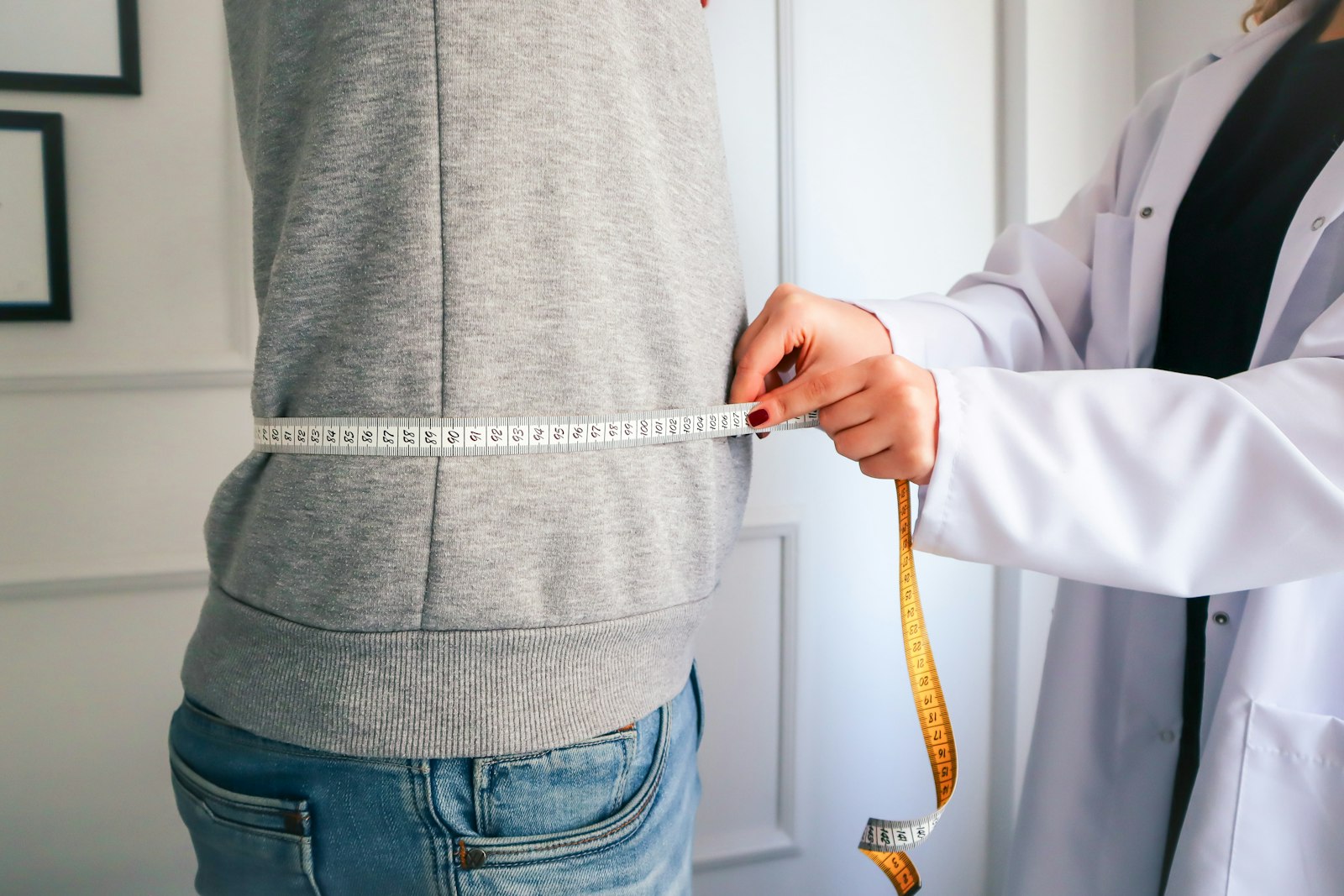
Ideal Body Weight Calculator — Reference Estimates from Multiple Formulas
Learn how ideal body weight is calculated using the Devine, Hamwi, and Robinson formulas, what the estimates mean in practice, and their limitations for real-world weight goal setting.

Why Women Need 3× More Essential Body Fat Than Men — and What Different Fat Types Actually Do
Women's essential fat minimum (10-13%) is so much higher than men's (3-5%) not because of reserves or fitness level, but because the sex-specific fat deposits involved in reproductive hormone synthesis and neurological function require it. Here's the essential vs storage fat distinction, why visceral fat location matters more than total body fat percentage for metabolic health, why "athletic" body fat isn't necessarily optimal for non-athletes, and the body recomposition tracking paradox.
The Ideal Weight Formulas Were Designed for Drug Dosing — Not Your Health Goals
The ideal body weight formulas in most calculators were developed in the 1960s–70s for drug dosing — not for health or fitness goals. Here's what they actually measure, why they disagree, and what a more useful framework looks like.

Height Converter — Feet & Inches to Centimetres & Back
Learn how to convert height between feet/inches and centimetres, with a quick reference table, real examples for medical forms and clothing sizes, and a free height converter tool.

Water Intake Calculator — Find Your Personalised Daily Hydration Target
Learn how daily water intake needs are calculated, why the 8-glasses rule falls short, how climate and activity affect hydration, and how to use a free water intake calculator for a personalised target.

Why "Exact Age in Years, Months, and Days" Has More Than One Right Answer — and What Happens If You're Born on Feb 29
"33 years, 9 months, 21 days" sounds precise — but because months have different lengths, the algorithm used to calculate the "months and days" portion involves a genuine implementation choice that can produce different results for the same two dates. Here's how the year/month/day "borrowing" algorithm works, why February 29th birthdays create a recurring ambiguity with real legal implications, and why "months" as a unit is inherently approximate.

Why BMI Is Flawed — And What to Use Alongside It
BMI is a useful population-level tool that's routinely misapplied to individuals. Here's what it genuinely measures, where it fails, and which complementary measures give a more accurate picture of metabolic health.

How Much Protein Do You Actually Need? The Evidence-Based Answer
Protein is the macro where most people fall short of the evidence-backed optimal amount. Here's how much you actually need, why leucine triggers muscle protein synthesis, and which foods deliver protein most efficiently per calorie.

Hyponatraemia and Endurance Sports: When Plain Water Isn't Enough — And Drinking Too Much Becomes the Risk
"Drink more water" advice has a limit — exercise-associated hyponatraemia, caused by drinking more fluid than you lose during prolonged exercise, has caused documented fatalities in endurance events. Here's why thirst-based drinking is now generally preferred over fixed schedules, who's at higher risk, and what role sodium intake actually plays.
