Most people are chronically under-hydrated and don't realise it
Thirst is a lagging indicator — by the time you feel thirsty, you're already mildly dehydrated. For most people in a warm climate like Bangladesh, with physically demanding work or regular exercise, the default water intake is below what the body needs for optimal function. A water intake calculator gives you a personalised daily target based on your weight, activity level, and climate.
Why Hydration Matters
Water makes up approximately 60% of the adult body. It's involved in nearly every physiological process:
- Temperature regulation — sweating and evaporation cool the body
- Nutrient transport — blood (90% water) carries nutrients and oxygen to cells
- Joint lubrication — synovial fluid reduces friction in joints
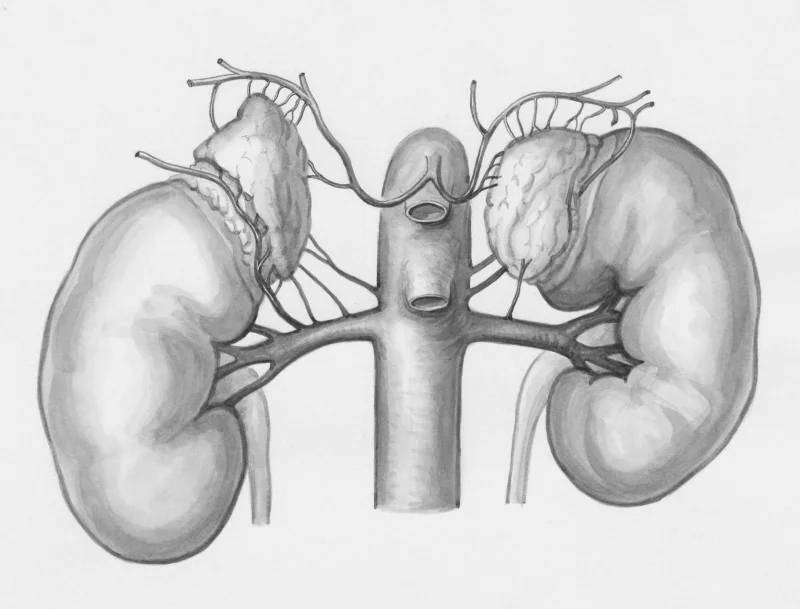
- Kidney function — urine production flushes waste and toxins
- Digestion — saliva, gastric acid, and intestinal secretions require water
- Cognitive function — even 1–2% dehydration measurably impairs concentration, mood, and reaction time
Even mild, chronic dehydration contributes to fatigue, headaches, constipation, poor skin condition, and impaired physical performance.
How Daily Water Needs Are Estimated
There's no single universal formula — needs vary considerably by body size, climate, activity, and individual physiology. Common evidence-based approaches:
Weight-based formula
Daily water intake = 35 ml × body weight in kg
For a 65 kg adult: 35 × 65 = 2,275 ml ≈ 2.3 litres For an 80 kg adult: 35 × 80 = 2,800 ml = 2.8 litres
Institute of Medicine (IOM) reference values
- Men: approximately 3.7 litres/day total water (from all sources)
- Women: approximately 2.7 litres/day total water
These are total water intake including food (which contributes about 20% of daily water intake from fruits, vegetables, and cooked foods).
Activity adjustment
Add approximately 500 ml per hour of moderate-to-intense exercise (more in hot conditions).
Climate adjustment
Hot, humid environments increase sweat losses significantly. Bangladesh's climate — particularly April through October — significantly increases baseline hydration needs compared to these formulas' temperate-climate baselines.
How to Use the Water Intake Calculator on sadiqbd.com
- Enter your weight — in kg or lbs.
- Select your activity level — sedentary, lightly active, active, or very active.
- Select your climate — temperate, hot, or very hot/humid.
- Read your daily target — in litres and glasses (250 ml each).
Real-World Examples
Office worker in Dhaka summer
Profile: 68 kg woman, sedentary desk job, Dhaka climate (hot and humid, April–October).
Base: 35 × 68 = 2,380 ml Climate adjustment (+20–30%): +476–714 ml Target: approximately 2.9–3.1 litres/day (about 12 glasses)
Without the climate adjustment, she might aim for 2.4 litres — and wonder why she still feels tired and has headaches on hot days.
Active man during Ramadan
Profile: 80 kg man, exercises 4 days/week (evening after iftar during Ramadan).
Base: 35 × 80 = 2,800 ml Activity adjustment (1 hour moderate exercise): +500 ml Target: approximately 3.3 litres/day
During Ramadan, all fluid intake is compressed into the non-fasting hours (iftar to suhoor). He needs to consciously consume ~3.3 litres across roughly 8–10 hours — feasible but requiring deliberate attention rather than casual drinking.
Pregnant or breastfeeding woman
Pregnancy and breastfeeding increase fluid needs substantially. Breastfeeding alone adds approximately 700–900 ml/day to baseline needs. A 60 kg breastfeeding woman's target:
Base: 35 × 60 = 2,100 ml Breastfeeding addition: +800 ml Warm climate: +400 ml Target: approximately 3.3 litres/day
This is significantly more than the "8 glasses" (2 litres) commonly cited — and helps explain why breastfeeding mothers often feel very thirsty.
Signs of Dehydration
Mild (1–2% body water deficit):
- Thirst
- Slightly darker urine (pale yellow is ideal; dark yellow indicates dehydration)
- Mild fatigue
- Mild headache
Moderate (2–5% deficit):
- Significant thirst
- Dry mouth
- Headache
- Reduced concentration and mood
- Muscle cramps
- Reduced urine output
Severe (5%+ deficit):
- Very dark or minimal urine
- Dizziness, lightheadedness
- Rapid heart rate
- Medical attention required
The simplest real-time hydration check: urine colour. Pale straw yellow = well hydrated. Dark yellow to amber = drink water now.
Water vs. Other Beverages
All water-containing beverages count toward hydration. Tea, coffee, juice, and even foods with high water content (cucumber, watermelon, rice) contribute to daily water intake.
Caffeinated beverages have a mild diuretic effect, but not enough to negate hydration. A cup of tea or coffee still contributes net fluid despite mild diuresis. The old advice that "coffee dehydrates you" is an oversimplification — at moderate intake, coffee is a net positive for hydration.
Sugary drinks hydrate but add calories. Sodas, fruit juices, and energy drinks count toward fluid intake but add significant calories and sugar. Plain water, unsweetened tea, and diluted coconut water are better primary sources.
Oral rehydration saline (ORS) for significant fluid loss. During illness with vomiting or diarrhoea, or after intense exercise in heat, plain water alone may not replace electrolytes lost with sweat and fluids. ORS (sodium, potassium, glucose solution) is more effective for rapid rehydration.
Practical Hydration Strategies
Start the day with water. During sleep, you lose water through respiration and perspiration without replenishment. A large glass of water first thing in the morning rebuilds the overnight deficit.
Drink before meals. 500 ml of water 30 minutes before meals supports digestion, can reduce appetite slightly, and adds significantly to daily total without disruption.
Carry a water bottle with a volume mark. A visible, measured bottle makes it easy to track progress toward your daily target without any mental calculation.
Set a reminder mid-afternoon. Many people drink adequately in the morning, skip through busy afternoon hours, and try to catch up in the evening. A 3:00 PM reminder maintains consistency.
Don't rely on thirst alone. As noted above, thirst lags actual need — especially in air-conditioned environments where you may not notice heat stress.
Frequently Asked Questions
Is the "8 glasses a day" rule accurate? The "8×8" rule (8 glasses of 8 oz = about 1.9 litres) is a simplified guideline with no strong scientific basis as a universal recommendation. Actual needs vary significantly by body size, activity, and climate. The weight-based formula (35 ml/kg) is more personalised.
Can you drink too much water? Yes — hyponatraemia (water intoxication) occurs when excessive water dilutes blood sodium below safe levels. This is rare under normal circumstances but can happen to endurance athletes who drink large volumes of plain water without electrolytes during very long events. In everyday life, drinking to thirst and not dramatically exceeding your calculated target is safe.
Does water help with weight loss? Indirectly. Adequate hydration supports metabolic function. Drinking water before meals can reduce calorie intake slightly. People sometimes mistake thirst for hunger. There's no evidence that drinking more water directly burns fat, but adequate hydration supports overall metabolic health.
Does coffee count toward my water intake? Yes — coffee and tea contribute to hydration. The diuretic effect of caffeine is mild and doesn't offset the fluid volume consumed at moderate intake (up to 3–4 cups/day). Plain water remains the best primary source, but coffee isn't dehydrating.
Is the water intake calculator free? Yes — completely free, no sign-up required.
Hydration is one of the simplest, cheapest health interventions available — and one of the most commonly neglected. A personalised daily target removes the guesswork and gives you a number to work toward.
Try the Water Intake Calculator free at sadiqbd.com — find your daily hydration target based on your weight, activity level, and climate.