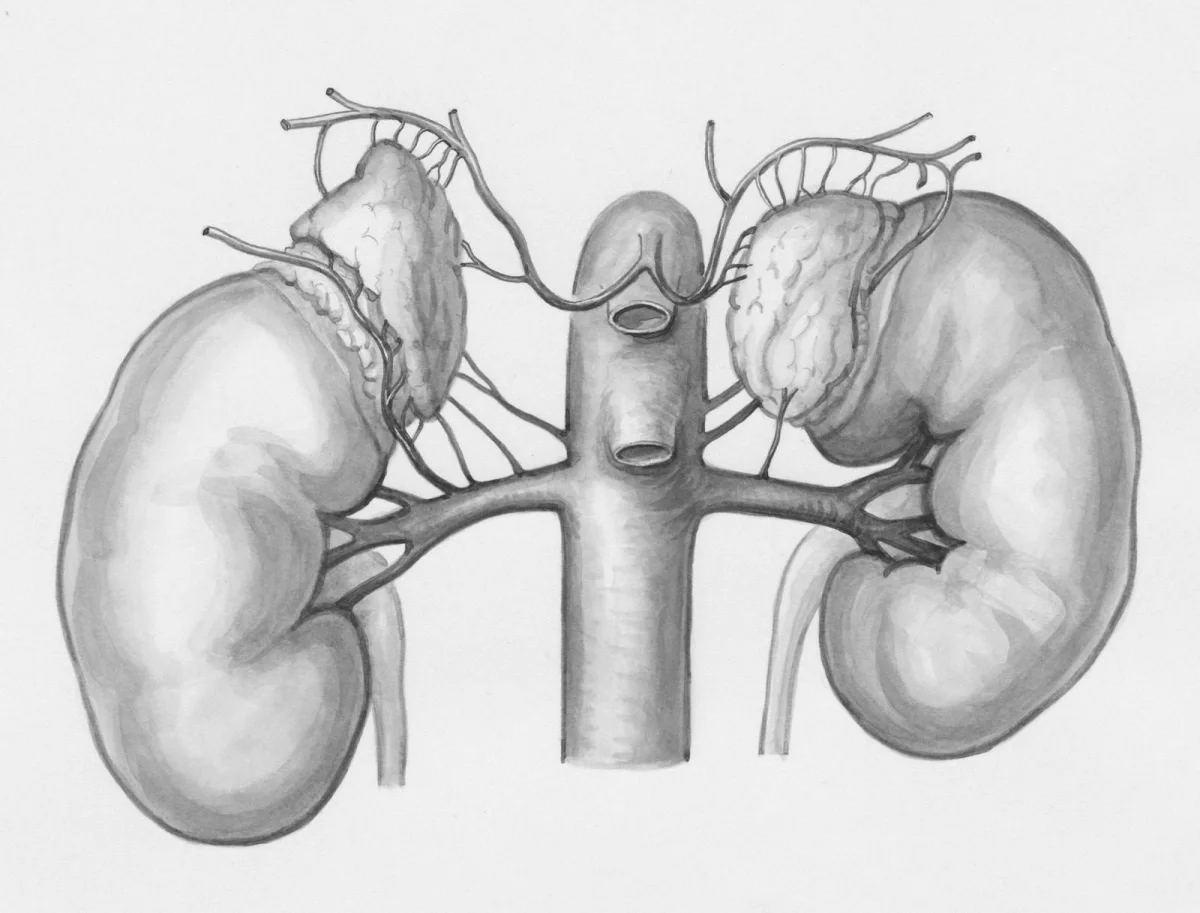
Kidney stones form when urine becomes supersaturated with stone-forming minerals — and the single most modifiable risk factor for first-time and recurrent kidney stones is inadequate water intake, which concentrates urine and allows crystals to nucleate and grow before they can be flushed out
Kidney stones are among the most painful medical conditions and have a high recurrence rate: approximately 50% of people who have had one stone will have another within 5 years without intervention. The preventive strategy is dominated by hydration — producing more than 2 litres of urine daily dilutes stone-forming solutes below their crystallisation threshold. Understanding the mechanism makes the hydration recommendation far more actionable than "drink more water."
Stone types and their different formation chemistry
Approximately 80% of kidney stones are calcium oxalate or calcium phosphate — but calcium intake is often incorrectly blamed. The mechanism is more nuanced:
Calcium oxalate stones (most common, ~70-80%):
- Calcium and oxalate combine in urine to form calcium oxalate crystals
- High urine oxalate (from foods: spinach, nuts, chocolate, tea) increases risk
- Paradoxically, adequate dietary calcium reduces stone risk by binding oxalate in the gut before it reaches the kidney
- Inadequate hydration is the dominant modifiable risk factor
Calcium phosphate stones (~5-10%):
- More common in alkaline urine (high urine pH)
- Associated with certain conditions (renal tubular acidosis, hyperparathyroidism)
- High fluid intake remains the primary preventive measure
Uric acid stones (~5-10%):
- Form in acidic urine at low pH
- Associated with gout, high purine diets, metabolic syndrome, and chronic dehydration
- Unlike calcium stones, uric acid stones can be dissolved by alkalising the urine (potassium citrate)
- Adequate hydration both dilutes uric acid and tends to alkalise urine
Struvite stones (~5-10%):
- Caused by urease-producing bacteria (commonly Proteus) during urinary tract infections
- Form in alkaline urine as magnesium ammonium phosphate
- Prevention requires treating the underlying UTI; hydration is secondary
Cystine stones (~1-2%):
- Rare genetic condition (cystinuria)
- Require extremely high fluid intake (3-4+ litres per day) to keep cystine below its solubility threshold
- Illustrate the direct dose-response relationship between urine volume and crystal formation
The urine concentration threshold: what 2 litres/day actually achieves
Urine output targets for stone prevention:
The 2-litre/day urine output target (not water intake — urine output) is derived from epidemiological data showing that stone recurrence rates fall substantially when 24-hour urine output exceeds 2 litres.
What 2 litres of daily urine output requires in water intake:
- Urine output: 2,000 ml target
- Insensible losses (skin, respiration): ~800-1,000 ml
- Faecal losses: ~100-200 ml
- Total water input needed: approximately 2,900-3,200 ml (approximately 3 litres of fluid)
The concentration effect: if a person produces 1 litre of urine daily containing 400 mg of oxalate, the urinary oxalate concentration is 400 mg/L. If they increase urine output to 2 litres with the same oxalate excretion, concentration drops to 200 mg/L — below the threshold at which calcium oxalate begins to crystallise.
Urine colour as a practical proxy: urine that is pale yellow to nearly colourless indicates adequate hydration for stone prevention purposes. Dark yellow or amber urine indicates concentration levels associated with stone formation risk.
Specific hydration contexts where risk increases
Heat and exercise: physical activity and heat increase insensible losses dramatically. A person who produces adequate 2-litre urine output at rest may produce only 0.8-1 litre on a hot day with significant physical activity — the same dietary intake produces twice-concentrated urine.
Occupational dehydration risk: professions with restricted fluid access (surgeons, long-haul drivers, construction workers in hot environments, teachers) have significantly higher rates of kidney stone formation than desk workers. The mechanism is straightforward: prolonged periods without access to fluids, combined with physical demands, produces chronic mild dehydration with concentrated urine.
Night-time stone risk: urine becomes most concentrated during sleep, when fluid intake is zero and ADH (anti-diuretic hormone) reaches its daily peak (reducing urine output to conserve fluid). Drinking a glass of water before bed and/or during night waking is specifically recommended for stone-prone individuals to reduce nocturnal urine concentration.
After a stone event: the period immediately following a kidney stone is when additional stone-forming crystals are most likely to be present. Aggressive hydration (targeting 3+ litres of urine output per day) during the first weeks after a stone episode reduces the risk that residual crystals will seed new stone formation.
Which fluids count: tea, coffee, soft drinks, and alcohol
All non-alcoholic fluids contribute to urine output, but some have additional effects on stone risk:
Lemon juice and citric acid: citrate in urine inhibits calcium oxalate crystal nucleation and growth. Lemon juice (and other citrus juices) contains citrate — drinking diluted lemon juice (e.g., 4 tablespoons of lemon juice in 2 litres of water) is a validated dietary intervention that increases urinary citrate and reduces stone recurrence. This is the dietary equivalent of potassium citrate supplementation.
Coffee: associated with reduced stone risk in epidemiological studies — likely through increased urine output and possible effects on calcium and oxalate metabolism.
Tea: contains oxalate, which theoretically increases risk, but also provides hydration. Net effect in population studies is neutral to slightly protective — the dilution benefit from the water content appears to outweigh the oxalate contribution.
Soft drinks with phosphoric acid: specifically colas have been associated with modestly increased stone risk in some studies — the phosphoric acid may increase urinary phosphate. Non-cola carbonated drinks don't appear to have this association.
Alcohol: causes diuresis (increased urine output short-term) but also dehydration as the diuretic effect overshoots intake. Net effect on stone risk is probably neutral to mildly negative.
How to use the Water Intake Calculator on sadiqbd.com
- For stone prevention planning: use the calculator to establish your baseline daily fluid target, then add approximately 500-750 ml for each hour of physical activity or each degree of high ambient temperature — the stone prevention target is 2+ litres of urine output, which requires calculating backwards from your specific activity and environment
- For altitude adjustment: at altitude above 2,500 metres, respiratory water losses increase substantially (dry, cold air) — add approximately 500 ml to baseline recommendations and monitor urine colour as a practical concentration indicator
- For fever adjustment: each degree Celsius of fever above normal increases insensible losses by approximately 100-150 ml — add this to your baseline hydration target when unwell
Frequently Asked Questions
If calcium causes kidney stones, should people with a history of kidney stones avoid dairy products? No — this is one of the most common and medically consequential misconceptions about kidney stones. For calcium oxalate stones (the most common type), restricting dietary calcium actually increases stone risk, not reduces it. Here's why: dietary calcium consumed with meals binds to oxalate in the intestine, forming insoluble calcium oxalate that is excreted in stool rather than absorbed. Less dietary calcium means more oxalate is absorbed from the gut and reaches the kidney — increasing urinary oxalate, which is a stronger stone-forming risk factor than urinary calcium. The Nurses' Health Study and other large cohort studies have consistently shown that higher dietary calcium intake is associated with lower kidney stone risk in both men and women. Calcium supplementation (particularly calcium carbonate taken without food) has a less clear benefit and some studies suggest increased risk — the timing with meals matters because supplements taken without food don't bind intestinal oxalate.
Is the Water Intake Calculator free? Yes — completely free, no sign-up required.
Try the Water Intake Calculator free at sadiqbd.com — calculate your personalised daily water intake recommendation based on weight, activity level, and climate.