Altitude dehydration is real but often misunderstood — the increased respiratory rate at altitude causes more water loss through breathing, but the body's thirst mechanism doesn't compensate fully, making high-altitude trekkers and travellers the specific population where "drink to thirst" systematically underestimates actual needs
The previous articles on this site covered the 8-glasses myth, hydration and electrolytes in exercise, hyponatraemia risks, and why thirst is reliable for most people in normal conditions. This article addresses water needs in specific environmental and medical contexts — altitude, heat, illness, and the specific population groups whose hydration requirements diverge most from the general guidance.
Altitude and respiratory water loss
At altitude, the inspired air is drier and the respiratory rate increases to compensate for lower oxygen partial pressure. Both factors increase water loss through respiration:
Sea level: normal respiratory water loss approximately 250-350 mL/day
3,000m (approximately 10,000 feet, e.g., ski resort altitude): respiratory rate increases by approximately 20-30%; drier air at altitude; respiratory water loss can reach 500-700 mL/day
4,500m+ (high-altitude trekking, Himalayan routes): significant increase in respiratory rate and continued dry air; respiratory water loss may reach 800-1,200 mL/day in cold, dry conditions
The thirst mechanism at altitude doesn't reliably compensate for this increased respiratory loss — studies on high-altitude trekkers consistently show that ad-libitum (to-thirst) water intake underestimates actual losses, and mild dehydration is common among trekkers who are drinking "as much as they feel they need."
The guidance for altitude trekking: aim for urine that's pale yellow (the urine colour indicator discussed in previous articles) rather than relying on thirst, and be aware that cold conditions reduce the perception of thirst (cold-induced diuresis also increases urine output at altitude).
Fever and illness dehydration: the calorie and fluid interaction
Fever increases water loss through two mechanisms:
- Increased sweating (the cooling mechanism)
- Increased respiratory rate (elevated metabolism increases respiration)
The rule of thumb: each 1°C of body temperature above normal (37°C) increases metabolic rate by approximately 10-12%, with proportional increases in water loss. A fever of 39°C (2°C above normal) increases water needs by approximately 20-25%.
Diarrhoeal illness represents a more dramatic fluid loss: severe watery diarrhoea can produce 1-2 litres of fluid loss per hour in the worst cases (cholera), though gastroenteritis-level diarrhoea is typically 500-1,000 mL of additional daily loss.
Oral Rehydration Solution (ORS): the WHO formula uses specific glucose and electrolyte concentrations to optimize absorption — not just water, because glucose facilitates sodium co-transport in the intestine, enabling more rapid rehydration than plain water. During illness with diarrhoea, plain water is less effective than ORS for rehydration.
The diuretic effect of caffeine: quantified
Caffeine is a mild diuretic — but the diuretic effect is smaller than the fluid content of the beverage. The net hydration effect of a caffeinated drink is positive for moderate consumption.
The quantified picture:
- A 200 mL cup of coffee provides 200 mL fluid
- Caffeine causes a net urinary output increase of approximately 30-40 mL above baseline for a 200 mg caffeine dose
- Net hydration contribution: approximately 160-170 mL per cup
At typical consumption (2-4 cups/day): caffeine's diuretic effect is negligible relative to total fluid intake, and habitual caffeine consumers develop tolerance to the diuretic effect (reducing even the 30-40 mL difference).
The myth: "coffee doesn't count toward your fluid intake" is incorrect for typical consumption levels. It's only at very high consumption (6+ cups/day or concentrated caffeine intake) that the diuretic effect becomes significant enough to require additional fluid compensation.
Kidney stone risk and hydration: the volume-based protection
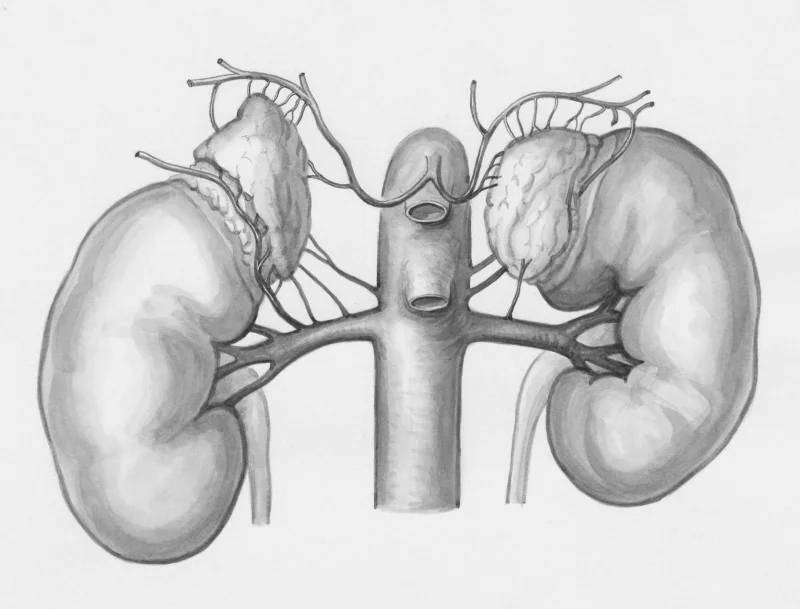
Kidney stones form when the urine becomes supersaturated with minerals (calcium oxalate, uric acid, struvite, cystine depending on stone type) — and the most evidence-based prevention for most common stone types is maintaining high urine volume.
The specific fluid intake target for kidney stone prevention: urine output of at least 2.5 litres per day, which typically requires fluid intake of 3+ litres per day (accounting for insensible and other losses).
This is higher than the general population guidance — kidney stone formers require more deliberate fluid management than the "drink to thirst" guidance for the general population. This is a specific medical context where higher-than-average fluid intake has clear clinical benefit.
Stone type and dietary specifics:
- Calcium oxalate stones (most common): high fluid intake + limit oxalate-rich foods + maintain calcium intake (low calcium diet paradoxically increases oxalate absorption and stone risk)
- Uric acid stones: high fluid intake + limit purine-rich foods (organ meats, shellfish) + alkalinize urine (citrate supplements or lemon juice)
- All stone types: high fluid intake is universally beneficial
Skin and fluid loss in heat: acclimatization changes
Unacclimatized individuals in a hot environment sweat less efficiently — sweat is more sodium-concentrated and the body's heat dissipation is less effective.
After 1-2 weeks of heat acclimatization, the body adapts:
- Sweat rate increases (more total sweat output for the same exercise intensity)
- Sweat becomes more dilute (conserving sodium)
- Sweat onset is faster and at a lower core temperature
- Total plasma volume expands (providing more fluid buffer)
The water intake implications: an acclimatized person exercising in the heat may sweat more in total volume but loses less sodium per litre — potentially needing more water but less electrolyte replacement than an unacclimatized person sweating the same total volume.
How to use the Water Intake Calculator on sadiqbd.com
- Altitude adjustment: if at altitude above 2,500m, add 500-750 mL to the calculator's baseline output to account for increased respiratory water loss
- Fever adjustment: for each degree of fever above 37°C, add approximately 300-500 mL to the daily target
- Activity in heat: the calculator's activity level input captures exercise intensity; additionally account for environmental heat by increasing the estimate if exercising in temperatures above 25°C (77°F)
Frequently Asked Questions
How much extra water do I need during pregnancy and breastfeeding? Pregnancy: total fluid intake recommendations typically increase by approximately 300 mL/day above pre-pregnancy levels. The placenta, amniotic fluid, and increased blood volume all require additional water. Breastfeeding: more significant additional need — producing approximately 750-1,000 mL of breast milk daily requires roughly 700-1,000 mL additional fluid intake (milk is approximately 87-88% water). Breastfeeding individuals are often advised to drink a glass of water each time they nurse as a practical way to ensure adequate intake. The thirst mechanism during lactation is typically stronger — the body signals hydration needs more reliably during lactation than at most other life stages.
Is the Water Intake Calculator free? Yes — completely free, no sign-up required.
Try the Water Intake Calculator free at sadiqbd.com — calculate your personalised daily hydration target based on weight, activity, and environment.