Water Intake Calculator
Articles, guides, and in-depth tips for the Water Intake Calculator — everything you need to get the most out of it.
✦ AI-powered — understands natural language
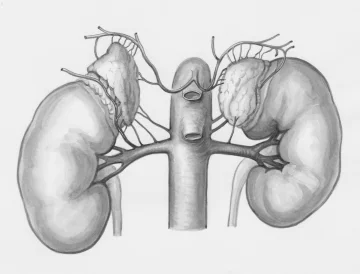
Why Kidney Stone Patients Should Not Restrict Calcium — Stone Formation Chemistry, Urine Concentration, and the 2-Litre Target
Why "Drink to Thirst" Fails at Altitude — and the Specific Contexts Where You Need More Water Than General Guidance Suggests
Altitude dehydration is real because respiratory rate increases and inspired air is drier — but thirst doesn't compensate fully, making trekkers a specific population where "drink to thirst" systematically underestimates needs. Here's the quantified altitude respiratory water loss (up to 1,200 mL/day at high altitude), the fever rule of thumb (each 1°C above normal adds ~20-25% water loss), why coffee's diuretic effect is smaller than its fluid content, and the specific kidney stone prevention fluid target (2.5 litres urine output daily).
Why You Don't Have to Drink 8 Glasses of Water a Day — and When You Actually Do Need to Drink More
The "8 glasses a day" rule omitted the very next sentence from its source: "most of this quantity is contained in prepared foods." Roughly 20-35% of daily fluid comes from food, making the actual drinking target lower. Here's why thirst is a more reliable hydration mechanism than most people think (in healthy adults in normal conditions), the specific situations where following thirst isn't enough, and why urine color is a better real-time hydration indicator than tracking millilitres.

Hyponatraemia and Endurance Sports: When Plain Water Isn't Enough — And Drinking Too Much Becomes the Risk
"Drink more water" advice has a limit — exercise-associated hyponatraemia, caused by drinking more fluid than you lose during prolonged exercise, has caused documented fatalities in endurance events. Here's why thirst-based drinking is now generally preferred over fixed schedules, who's at higher risk, and what role sodium intake actually plays.
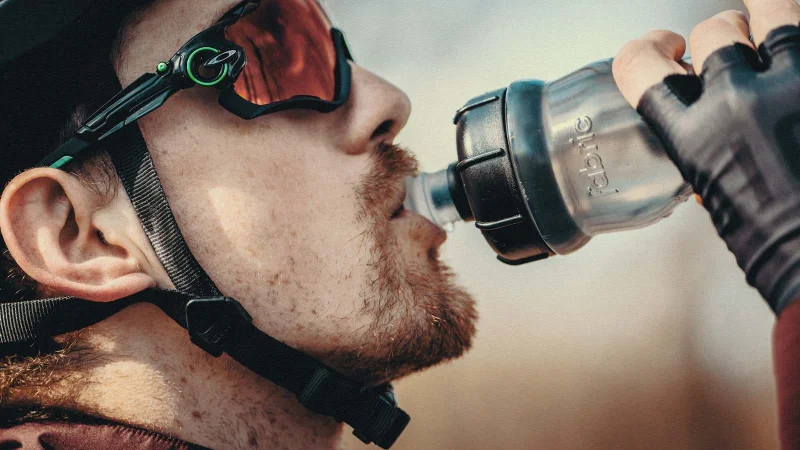
Hydration and Electrolytes: When Plain Water Isn't Enough During Exercise
Multiple Ironman athletes were hospitalised from drinking too much plain water — exercise-associated hyponatraemia. Here's how electrolytes regulate fluid balance, when plain water is insufficient during prolonged exercise, sodium replacement guidelines, and the "drink to thirst" vs. scheduled drinking debate.
How Much Water Do You Actually Need? The 8-Glasses Rule Examined
The 8-glasses-a-day rule has almost no scientific basis. Here's how the body actually regulates hydration, what genuinely affects your water needs, how to use urine colour as a real-time indicator, and when the rule breaks down.
Water Intake Calculator — Find Your Personalised Daily Hydration Target
Learn how daily water intake needs are calculated, why the 8-glasses rule falls short, how climate and activity affect hydration, and how to use a free water intake calculator for a personalised target.
