Understand your
body better.
Evidence-based guides on fitness, nutrition, and understanding health metrics.
✦ AI-powered — understands natural language

Your Cycle's Range Tells You More Than Its Average

EPOC, the "Afterburn Effect," and HIIT vs Steady-State: Separating Research from Marketing
EPOC ("afterburn") adds approximately 6-15% to a workout's calorie burn — real, but smaller than fitness marketing implies. Here's what EPOC actually measures, why HIIT's real advantage is time efficiency rather than metabolic magic, how HIIT and steady-state compare for fat loss, and how resistance training's EPOC differs from cardio's.

Intermittent Fasting and Meal Timing: Does When You Eat Actually Matter?
Intermittent fasting's weight loss effect appears to come largely from spontaneous calorie reduction, not a separate metabolic pathway — but circadian research suggests eating earlier in the day may benefit glucose tolerance independent of weight. Here's what controlled trials actually show about meal timing, autophagy claims in context, and who IF tends to suit.

Twin Pregnancy Due Dates, Chorionicity, and IVF Dating: How Multiple Pregnancies Differ
Twin pregnancies average 36-37 weeks rather than 40 — meaning a standard due date calculation represents a date most twin pregnancies won't reach. Here's why multiples arrive earlier, how chorionicity affects monitoring and timing, why IVF dating from embryo transfer is the most precise method available, and what vanishing twin syndrome means for dating.

Why Ideal Weight Formulas Break Down for Athletes and Anyone With Above-Average Muscle Mass
A bodybuilder at 95kg with 8% body fat and a sedentary man at 95kg with 30% body fat get an identical "ideal weight" from every classic formula — because none of them account for muscle mass. Here's why NFL linemen and Olympic weightlifters routinely fall into "obese" categories by BMI and ideal weight formulas, and what's actually useful for athletic populations instead.

Child Growth Charts: How Percentiles Work, Predicting Adult Height, and Growth Spurt Timing
A single growth chart percentile tells you how a child compares to peers at one moment — but tracking the trend over time, particularly whether a child crosses percentile lines, is what growth monitoring is really designed to reveal. Here's how growth charts work, the mid-parental height formula for estimating adult height, and how growth spurts differ between boys and girls.

Age in Different Cultures and Legal Systems: Korean Reckoning, Age of Majority, and Leap Year Birthdays
South Korea officially ended traditional age reckoning in 2023, where everyone ages on New Year's Day making you 1-2 years "older" than by Western count. The US drinking age of 21 is unusual globally; Germany allows beer at 16; Scotland sets adulthood at 16 for contracts. Here's how age is defined differently around the world.

Chronotypes and Circadian Rhythms: Why Night Owls Can't Just Choose to Be Morning People
Night owls aren't lazy — chronotype is 50–60% heritable and adolescent biology genuinely delays sleep timing. Here's how circadian rhythms work, the measurable health costs of social jetlag, why school start times are a public health issue, and how light exposure can shift (but not transform) chronotype.

Walking Pace and Longevity: Why How Fast You Walk Predicts Health Better Than Step Count
Brisk walkers have 35% lower all-cause mortality and 54% lower cardiovascular mortality than slow walkers — independently of total walking volume. Here's what "brisk" means in measurable terms, the dose-response curve from pace improvements, and why gait speed predicts health in ways step count doesn't.

Carbohydrates and Sports Performance: Glycogen, Carbo-Loading, and the Marathon Wall
Glycogen powers high-intensity exercise and runs out after 90–120 minutes — which is exactly why marathoners hit the wall. Here's the science of carbo-loading, carbohydrate intake during endurance events, the post-exercise glycogen window, and where low-carb approaches fit in sports nutrition.
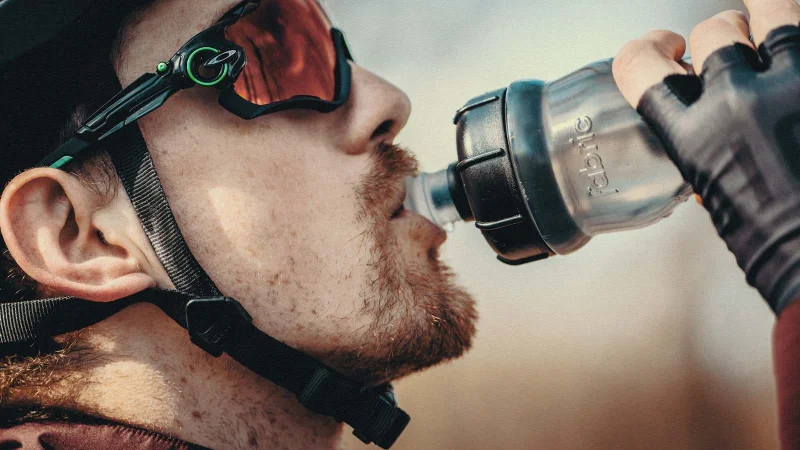
Hydration and Electrolytes: When Plain Water Isn't Enough During Exercise
Multiple Ironman athletes were hospitalised from drinking too much plain water — exercise-associated hyponatraemia. Here's how electrolytes regulate fluid balance, when plain water is insufficient during prolonged exercise, sodium replacement guidelines, and the "drink to thirst" vs. scheduled drinking debate.

Ultra-Processed Food and Calorie Intake: Why the NIH Study Changed the Conversation
A controlled NIH experiment showed people spontaneously ate 508 more calories per day on ultra-processed food vs. whole food — with identical macros. Here's why ultra-processed food drives overconsumption, what the satiety index reveals, and how food quality affects whether a calorie target feels effortless or exhausting.

The Ideal Weight Formulas Were Designed for Drug Dosing — Not Your Health Goals
The ideal body weight formulas in most calculators were developed in the 1960s–70s for drug dosing — not for health or fitness goals. Here's what they actually measure, why they disagree, and what a more useful framework looks like.
