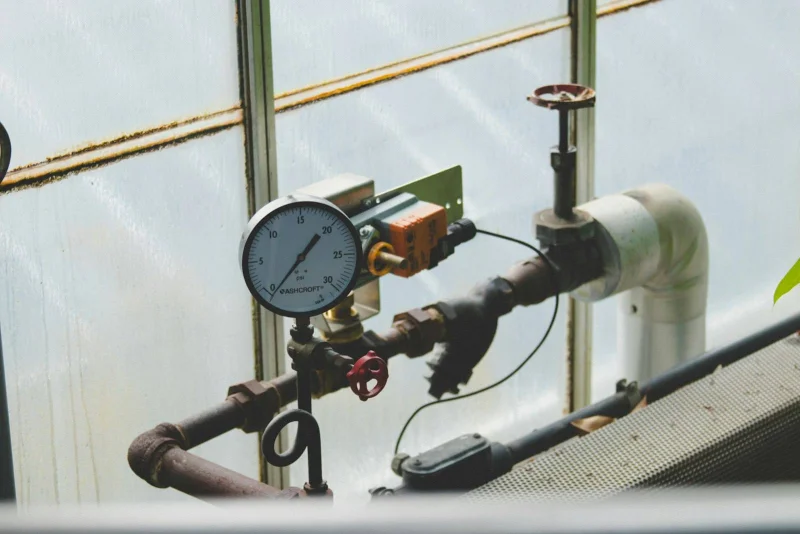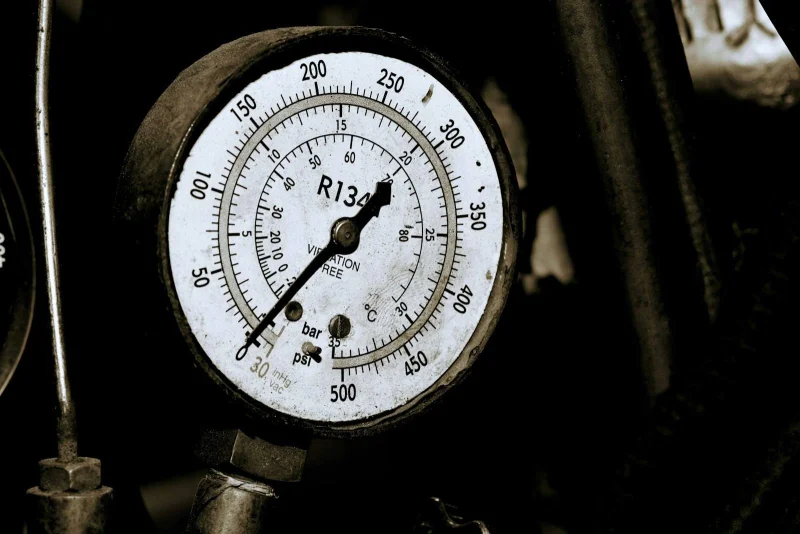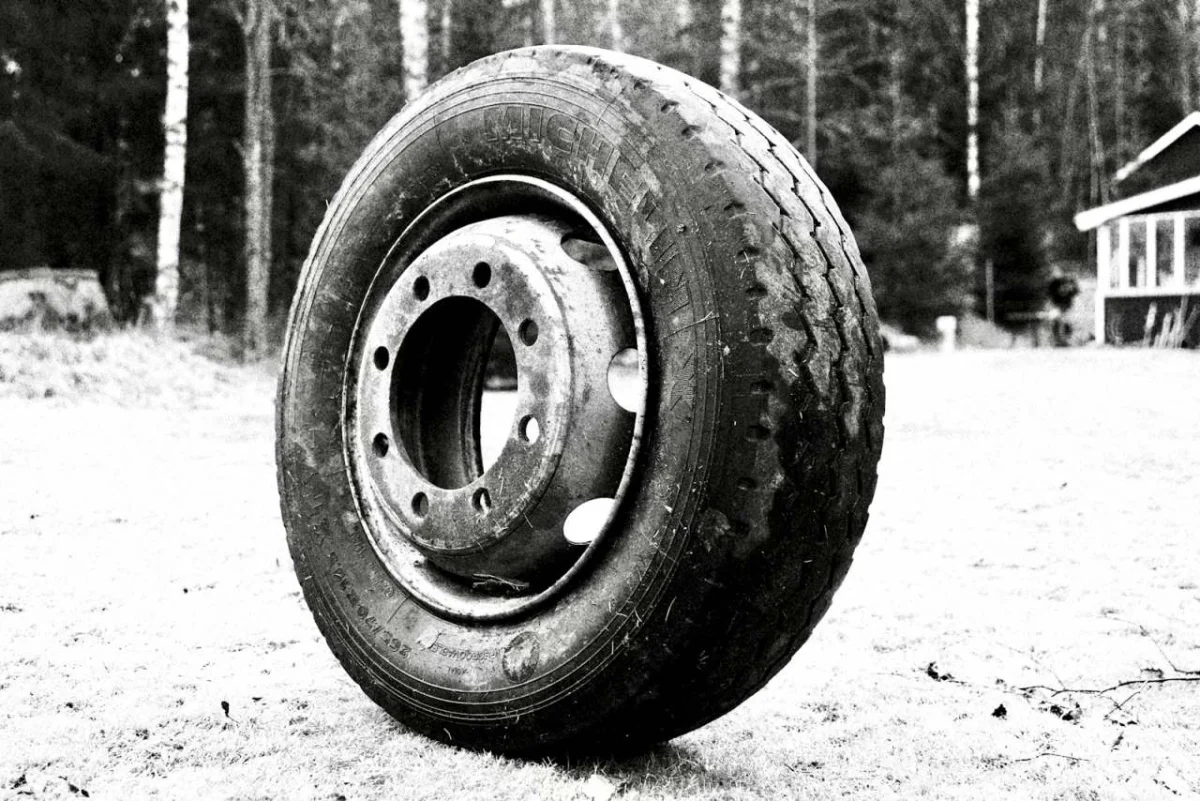
Pressure is everywhere — tyres, blood, weather, hydraulics, cooking
Every tyre on every vehicle has an optimal pressure. Your blood pressure is measured every medical checkup. Weather forecasters track atmospheric pressure. Industrial hydraulic systems operate at specific pressures. Scuba divers calculate pressure at depth. A pressure cooker relies on elevated pressure to cook faster. All of these involve pressure measurement — and all of them use different units.
Pressure Units Explained
Pascal (Pa): The SI unit. 1 Pa = 1 newton per square metre (N/m²). Very small — standard atmospheric pressure is about 101,325 Pa.
Kilopascal (kPa): 1,000 Pa. More practical for everyday use. Atmospheric pressure ≈ 101.3 kPa. Tyre pressure is often quoted in kPa in metric countries.
Bar: 100,000 Pa = 100 kPa. Close to atmospheric pressure (1 bar ≈ 0.987 atm). Widely used in engineering, hydraulics, and European tyre pressure gauges.
Millibar (mbar): 1/1,000 bar = 100 Pa. Used in meteorology — weather maps show pressure in mbar. Standard atmospheric pressure = 1013.25 mbar.
PSI (pounds per square inch): Dominant in the US and in tyre pressure globally. 1 PSI ≈ 6,895 Pa ≈ 0.0689 bar. Car tyre pressure: typically 30–35 PSI.
Atmosphere (atm): Standard atmospheric pressure at sea level. 1 atm = 101,325 Pa = 1.01325 bar = 14.696 PSI.
mmHg (millimetres of mercury) / Torr: Used in medical blood pressure measurements and vacuum systems. 1 mmHg ≈ 133.3 Pa. Blood pressure: 120/80 mmHg is normal.
How to Use the Pressure Converter on sadiqbd.com
- Enter the pressure value
- Select the source unit — Pa, kPa, bar, PSI, atm, mmHg
- Read the converted equivalents
Real-World Pressure Applications
Tyre pressure
A car's door sticker specifies 32 PSI. Your garage's gauge reads in bar.
32 PSI × 0.0689 = 2.20 bar (or 220 kPa)
Under-inflated tyres: increased rolling resistance, worse fuel economy, heat build-up, potential blowout. Over-inflated: reduced contact patch, harsher ride, uneven tread wear.
Blood pressure interpretation
A reading of 125/82 mmHg — is this normal?
Systolic (125 mmHg): Pressure during heartbeat. Normal below 120. Diastolic (82 mmHg): Pressure between beats. Normal below 80.
This reading is elevated — technically Stage 1 hypertension territory. Worth discussing with a doctor.
In kPa: 125 mmHg × 0.133 = 16.6 kPa systolic.
Weather pressure and storm prediction
A weather station reports 998 mbar (standard is 1013.25 mbar). The 15 mbar deficit signals a low-pressure system — unsettled weather, potential rain, possibly a storm system if it deepens further.
998 mbar = 99.8 kPa = 14.68 PSI = 0.985 atm
Tropical cyclones can have central pressures of 950 mbar or lower — the deeper the low, the more intense the storm.
Pressure cooker physics
A standard pressure cooker operates at 15 PSI above atmospheric. What's the internal pressure?
Atmospheric + gauge: 14.7 + 15 = 29.7 PSI absolute = 2.04 bar = 204 kPa
At this elevated pressure, water boils at 121°C instead of 100°C, which is why pressure cookers cook food 2–3× faster than regular pots.
Hydraulic engineering
A hydraulic jack rated at 3,000 PSI:
3,000 × 0.0689 = 206.8 bar = 20.68 MPa
That's about 204 atmospheres — tremendous force per unit area, which is how hydraulic systems can lift cars and operate heavy machinery with relatively small cylinders.
Absolute vs. Gauge Pressure
A critical distinction that causes confusion:
Absolute pressure: Measured from perfect vacuum (0). Used in physics equations and thermodynamics.
Gauge pressure: Measured above atmospheric pressure. A flat tyre gauge reads 0 PSI gauge (not zero absolute — there's still air in it at atmospheric pressure).
Example: A tyre at 32 PSI gauge = 32 + 14.7 = 46.7 PSI absolute.
When specs say "15 PSI," they almost always mean gauge (above ambient). When calculating whether something will rupture, use absolute.
Pressure at Depth: Scuba and Submarines
For every 10 metres of water depth, pressure increases by approximately 1 bar (or about 14.5 PSI).
At 30m depth: atmospheric (1 bar) + water column (3 bar) = 4 bar absolute = 58 PSI absolute
This is why scuba tanks are pressurised to 200–300 bar (2,900–4,350 PSI) — they need to supply air at ambient pressure at depth, which requires the stored air to be at much higher pressure than the diver needs.
Altitude and Pressure
Atmospheric pressure decreases with altitude:
- Sea level: 1013 mbar
- 1,000m: ~900 mbar
- 5,500m: ~500 mbar (half of sea level)
- Everest summit (~8,849m): ~315 mbar
The lower pressure at altitude means less oxygen per breath (which is why climbers carry oxygen), lower boiling point for water (food takes longer to cook), and reduced engine power from less dense intake air.
Frequently Asked Questions
Why is blood pressure measured in mmHg? Historical convention from mercury sphygmomanometers. The 0–300 mmHg range maps conveniently to human blood pressure. Despite being replaced by digital cuffs, mmHg persists internationally as the clinical standard.
What's the difference between bar and PSI for tyre pressure? Both measure gauge pressure. Bar is metric (used in Europe/Asia); PSI is imperial (US, UK). Most modern tyre gauges show both. Typical car tyre: 30–35 PSI = 2.07–2.41 bar.
Is the pressure converter free? Yes — completely free, no sign-up required.
Pressure measurement spans medicine, meteorology, automotive, industrial, and kitchen contexts simultaneously. Having a single converter handles the unit friction across all of them.
Try the Pressure Converter free at sadiqbd.com — convert between Pa, kPa, bar, PSI, atm, and mmHg instantly.