Cooking Converter
Articles, guides, and in-depth tips for the Cooking Converter — everything you need to get the most out of it.
✦ AI-powered — understands natural language

Baker's Percentage: The Ratio That Makes Recipes Scalable

Why a US Recipe Fails in the UK — Butter Sticks, Cup Sizes, Tablespoon Volumes, and Egg Standards Compared
Scooping flour vs spooning it into a cup creates a 20-30% weight difference for the same "cup" measurement — and that's before accounting for the fact that US cups (237 mL), UK cups (284 mL old / 250 mL new), and Australian cups (250 mL) are different sizes. Here's the butter stick convention no one outside the US knows, why Australian tablespoons are 33% larger than US ones, and why UK large eggs are closer to US extra-large.
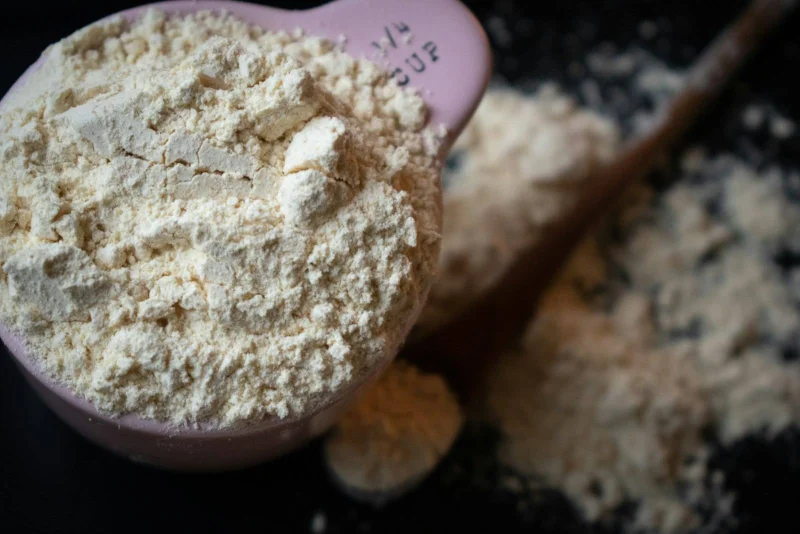
Why Professional Bakers Never Use Cups — Density, Flour Compaction, and the Case for Weight Measurement
A cup of flour weighs 120g; a cup of sugar weighs 200g — because density varies dramatically between ingredients. The flour problem is even worse: depending on scooping vs spoon-and-level vs sifted technique, "1 cup of flour" can be anywhere from 90g to 160g — a 60% range. Here's why professional bakers universally use weight, the baker's percentages system that only works with weights, and the cup-size difference between US, UK, and Australian recipes.

Recipe Scaling: Why Salt, Leavening, and Baking Time Don't Just Double When Your Recipe Does
Doubling a recipe doesn't mean doubling every ingredient by the same factor — salt and spices that taste "right" at 1x can taste over-seasoned at a linearly-doubled 2x, leavening agents commonly scale by 75-90% rather than 100%, and baking time scales by far less than 2x because heat penetration relates to thickness squared, not to volume. Here's why each of these deviates from linear scaling, and why pan-size choice is inseparable from baking-time expectations.
Kitchen Temperature: Oven Calibration, Safe Internal Temperatures, and Why Your Oven Lies to You
Consumer ovens can run 10–30°C off their dial setting. Colour and time are indicators; internal temperature is the only reliable doneness test. Here's gas mark to Celsius conversion, food safety internal temperatures, the difference between thermometer types, and why burgers and whole cuts have different safety rules.
Baking is Chemistry: Why Leavening, Gluten Development, and Fat Temperature All Require Precise Measurement
Baking is chemistry: baking soda needs acid to work, gluten development depends on water-to-flour ratios, and fat temperature determines whether pastry is flaky or mealy. Here's the science behind leavening agents, the Maillard reaction, hydration percentages, and why altitude requires recipe adjustments.
Cooking Converter — Convert Any Recipe's Measurements Across Countries
Learn why cooking measurements cause confusion across countries, what differs between US and Australian tablespoons and UK vs US pints, why weight beats volume for baking, and how to convert any recipe with a free cooking converter.
Cooking Converter — Cups, Tablespoons, ml & Grams Explained
Learn how to convert between cups, tablespoons, fluid ounces, millilitres, grams, and more — with real cooking examples and tips for following recipes from any country accurately.
