International recipes are the hidden frontier of cooking frustration
You find a recipe from an American food blog with excellent reviews. It calls for 2 cups of flour, ¾ cup of milk, and 3 tablespoons of butter. Your kitchen has a scale, a measuring jug marked in millilitres, and no cups at all. You could guess — or you could convert.
The problem goes deeper than just cups vs. millilitres. American tablespoons aren't the same as Australian tablespoons. A US pint is not a UK pint. And the relationship between volume measures and weight depends entirely on what you're measuring — a cup of flour weighs very differently from a cup of honey or a cup of oil.
The Core Cooking Unit Problem
Volume units that seem universal but aren't
Cups: The most confusing. US cup = 240ml. Australian/metric cup = 250ml. British cup (rarely used in modern British recipes) = 284ml. A recipe using "cups" without specifying which country means US unless stated otherwise.
Tablespoon: US and UK tablespoon = 15ml. Australian tablespoon = 20ml. A recipe with "6 tablespoons" from Australia calls for 120ml; from the US, 90ml. The 30ml difference per 6 tablespoons is often enough to change the outcome of baked goods.
Pint: US liquid pint = 473ml. UK Imperial pint = 568ml. About 20% larger. A British recipe calling for "1 pint of cream" wants 568ml, not 473ml.
The volume-to-weight problem
Cups measure volume. Scales measure weight. The conversion depends on density:
| Ingredient | 1 cup = |
|---|---|
| Water | 240ml = 240g |
| Milk | 240ml ≈ 245g |
| All-purpose flour (spooned, levelled) | 240ml ≈ 120-130g |
| Sugar (white, granulated) | 240ml ≈ 200g |
| Butter | 240ml ≈ 227g |
| Honey | 240ml ≈ 340g |
| Vegetable oil | 240ml ≈ 218g |
| Rice (uncooked) | 240ml ≈ 185g |
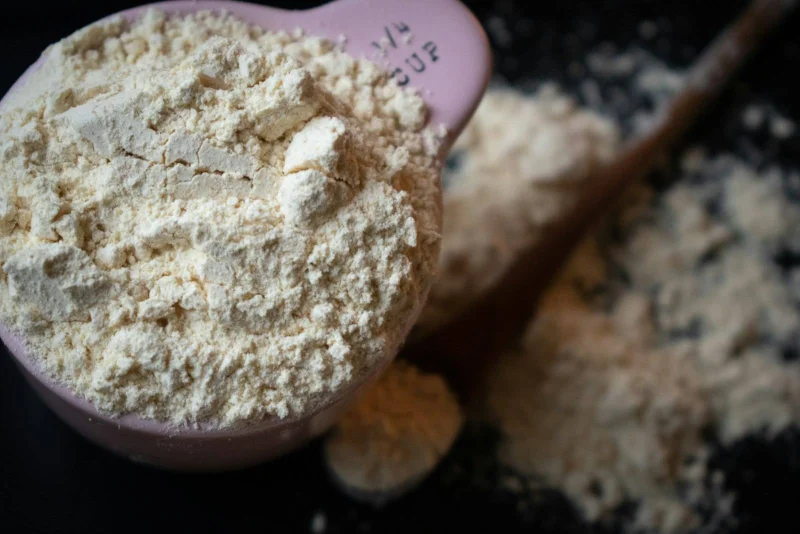
Flour is the most variable because density depends on how it's scooped. Spooned into the cup then levelled gives approximately 120g. Scooped directly from the bag gives 145-160g from the same cup. This is why professional bakers weigh flour rather than cup-measuring it.
How to Use the Cooking Converter on sadiqbd.com
- Enter the amount — the quantity in your recipe
- Select the source unit — cups, tablespoons, teaspoons, fluid ounces, millilitres, etc.
- Select the target unit — what your measuring equipment uses
- Read the converted amount
For volume-to-weight conversions, the tool may ask for the ingredient or density — since cup-to-gram conversion varies by ingredient.
Practical Cooking Conversions
Converting an American cake recipe
Original (US):
- 2 cups all-purpose flour
- 1 cup sugar
- ½ cup butter, softened
- ¾ cup milk
- 2 teaspoons baking powder
Converted to metric (grams and ml):
- Flour: 2 × 120g = 240g (weight is more accurate than volume)
- Sugar: 1 × 200g = 200g
- Butter: ½ × 113g = 113g (113g = ½ cup)
- Milk: ¾ × 240ml = 180ml
- Baking powder: 2 × 5ml = 10ml or 2 × 5g = 10g
Scaling a recipe
A pancake recipe serves 4 and calls for 1.5 cups of milk. You're making it for 10 people (2.5× scale).
Milk needed: 1.5 × 2.5 = 3.75 cups = 3.75 × 240ml = 900ml
Working without measuring cups
You have a standard tea mug that holds approximately 250ml (roughly 1 metric cup). A recipe calls for 2 US cups of oats.
2 US cups = 2 × 240ml = 480ml 480ml ÷ 250ml (your mug) = 1.92 mugfuls ≈ almost 2 full mugs
Good enough for forgiving recipes like oatmeal; more precise measuring recommended for baking.
Converting between metric and imperial
A British recipe calls for "4 fl oz of cream." Your measuring jug shows millilitres.
4 US fl oz = 4 × 29.57ml = 118ml (approximately) 4 UK fl oz = 4 × 28.41ml = 114ml (slightly less)
For cooking purposes, 115-120ml is accurate enough.
Precision vs. Practicality in Cooking
Baking requires precision. Bread, cakes, and pastry are chemical reactions. The ratio of flour to liquid to leavening to fat determines structure, texture, and rise. A 20% error in flour amount changes the outcome noticeably.
Cooking is more forgiving. Adding "a handful of spinach" or "enough olive oil to coat the pan" works because the recipe tolerates imprecision. Volume conversions in these contexts are more about getting in the right ballpark.
The weight advantage. Professional recipes increasingly use grams precisely because weight is unambiguous. 200g of flour is 200g regardless of how you scoop it, whether you sifted it, or which brand you're using. Cup measurements depend on technique. If you bake frequently, a digital kitchen scale (costs ৳400-1,500) eliminates this entire category of conversion problem.
Tips for Cooking Conversions
Specify the country when saving or sharing recipes. "1 cup" is ambiguous; "1 US cup (240ml)" is not. Adding the ml equivalent takes one second and prevents future confusion.
Check tablespoon origin on any recipe with many tablespoons. Australian cookbooks appear widely online. 6 Australian tablespoons = 120ml; 6 US tablespoons = 90ml. That difference matters in sauces and dressings.
Use weight for anything involving flour. No matter which country's cups the recipe uses, weighing flour in grams gives consistent, reproducible results.
Frequently Asked Questions
How many ml is 1 cup? US cup = 240ml. Metric cup (Australia, Canada, other countries) = 250ml. Unless specified, assume US (240ml) for recipes from American sources.
Is 1 tablespoon always 15ml? In the US and UK, yes. In Australia, 1 tablespoon = 20ml. This is a significant difference for recipes with many tablespoons.
How do I convert grams to cups for baking? Use the ingredient-specific conversion. For flour: approximately 120g per US cup (spooned and levelled). For sugar: approximately 200g. Use a scale for precision.
Is the cooking converter free? Yes — completely free, no sign-up required.
International recipes are a wonderful way to expand your cooking — as long as the measurement systems don't get in the way. The cooking converter removes that friction, making any recipe accessible regardless of where it was written.
Try the Cooking Converter free at sadiqbd.com — convert cups, tablespoons, fluid ounces, millilitres, and grams for any recipe instantly.