Master the web's
infrastructure.
How DNS, email, SSL, and web infrastructure actually work — explained clearly.
✦ AI-powered — understands natural language

Closed and Filtered Aren't the Same Finding

What Your Ping Number Actually Means — Latency, Jitter, and Packet Loss Explained
50ms latency is fine for browsing but problematic for gaming and VoIP. Here's what ping RTT actually measures, latency thresholds for different applications, why jitter and packet loss often matter more than average latency, and what bufferbloat is.

Reading DMARC XML Reports: What Every Field Means and How to Spot Problems
DMARC aggregate reports are XML files that arrive by email and most people never open. Here's exactly what each field means, the common patterns and what they signal (SPF fail but DMARC pass, alignment failures, unknown IPs), and the tools that make reports readable.

The Complete Email Authentication Audit: How to Check SPF, DKIM, DMARC, PTR, and BIMI
Most organisations have never systematically audited their full email authentication stack. Here's the complete 8-step process: inventorying all sending services, auditing SPF, DKIM, DMARC, PTR, and BIMI, sending a test to verify all pass, and setting up ongoing monitoring.

Email Deliverability Beyond Authentication: Reputation, Engagement, and IP Warming
SPF, DKIM, and DMARC prove you're legitimate — but engagement rates, complaint rates, list hygiene, and domain age determine whether you land in inbox or spam. Here's the deliverability signals major providers actually use, IP warming schedules, and the 2024 Google/Yahoo requirements in practice.

CAN-SPAM vs GDPR vs CASL: Email Marketing Compliance for International Senders
CAN-SPAM, GDPR, and CASL have different models (opt-out vs opt-in) and very different penalties. Here's what each requires, how they differ in a practical comparison matrix, and the compliance approach for organisations sending internationally to all three jurisdictions.

TLS Configuration Beyond Certificates: Versions, Cipher Suites, HSTS, and OCSP Stapling
TLS 1.0 and 1.1 are still enabled on more servers than they should be. Here's TLS version history and current status, what cipher suites determine (including forward secrecy), HSTS preloading requirements, OCSP stapling, and how to use SSL Labs to grade your TLS configuration.
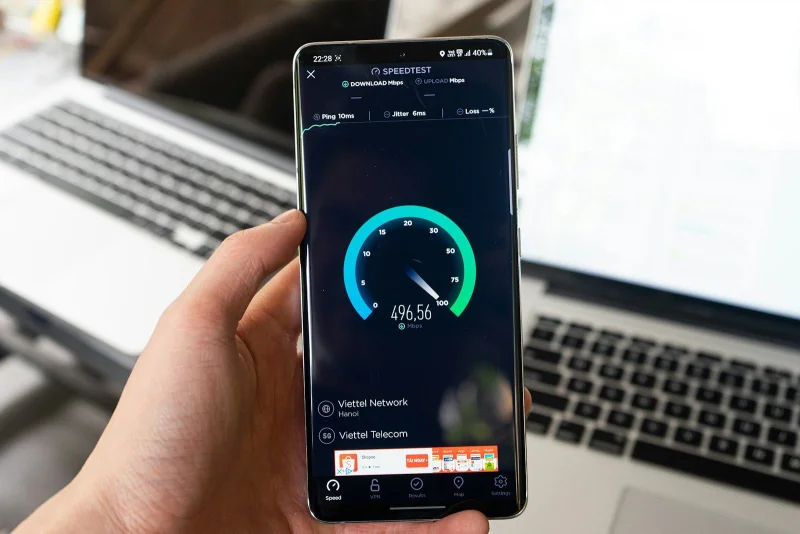
How Much Internet Speed Do You Actually Need? What Streaming, Video Calls, and Remote Work Require
Gigabit broadband is overkill for most households — a family of four watching 4K and video calling needs about 150 Mbps download. Here's what different activities actually require, why upload speed matters more for remote work than download, and how to run a speed test that reveals actual performance.

Cloud VPC Design: Public vs Private Subnets, NAT Gateways, and the Three-Tier Architecture
AWS VPCs, GCP VPCs, and Azure VNets follow the same three-tier pattern — public subnets for internet-facing resources, private subnets for application and data tiers. Here's the terminology across providers, NAT Gateway mechanics, VPC peering, and the four most common cloud network design mistakes.
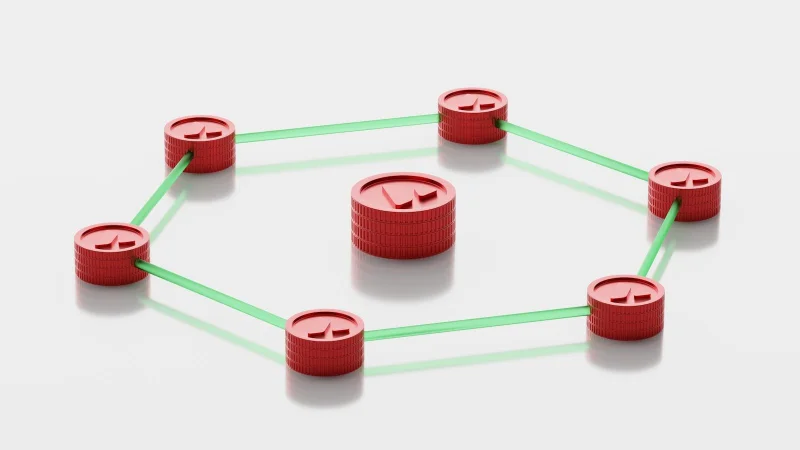
BGP: How Internet Routing Works — and Why Route Leaks Can Take Down Major Services
BGP is the protocol that routes traffic across the internet's 80,000 autonomous systems — and its trust model is why a misconfiguration at a small ISP took down Cloudflare, Amazon, and Facebook for two hours. Here's how BGP works, how anycast CDNs use it, and why RPKI is the partial fix.

HTTP Caching Deep Dive: Cache-Control Directives, ETags, and Content Hashing Strategy
Content-hashed filenames with max-age=31536000 can eliminate network requests for returning users. Here's the complete HTTP caching strategy: Cache-Control directives in depth, ETags and conditional requests, the Vary header pitfall, CDN cache busting, and a practical caching strategy by resource type.

How Gmail Decides Where Your Email Lands: Inbox, Promotions, and Spam Explained
Gmail routes email based primarily on engagement signals — opens, clicks, spam complaints, and whether recipients move messages to Primary. Here's how the three-tier system works, what signals determine Promotions vs. Primary, why list segmentation improves deliverability, and how Outlook differs from Gmail.
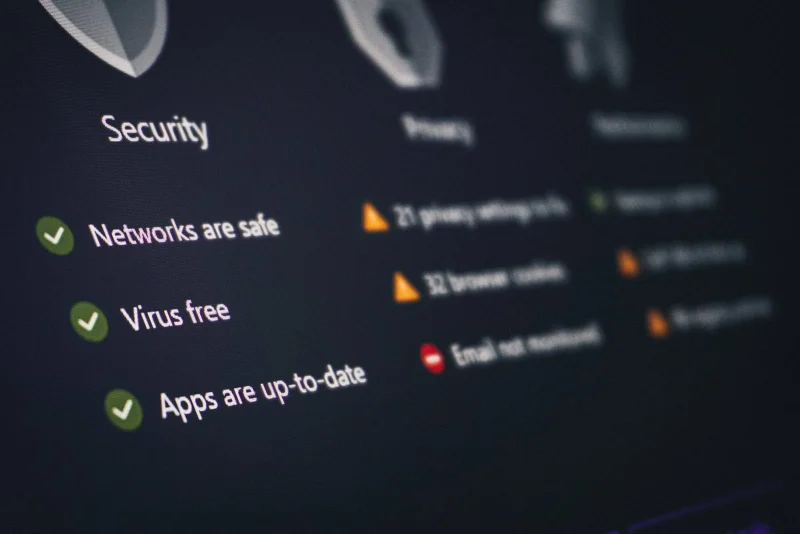
SSL Certificate Types: DV vs OV vs EV, Certificate Chains, and Preventing Expiry Outages
DV, OV, and EV certificates verify different things. Let's Encrypt is as secure as paid certs for encryption. The chain matters as much as the certificate itself. Here's what SSL certificates actually prove and how to prevent expiry outages.
