Hormonal contraception doesn't just prevent pregnancy — it overrides the cycle that period trackers are designed to predict
Most period and ovulation tracking tools are built around the natural menstrual cycle: a sequence of hormonal changes culminating in ovulation, followed by either pregnancy or menstruation roughly two weeks later. Hormonal contraceptive methods work precisely by altering this sequence — which means the "predictions" a tracker generates mean something different (or sometimes nothing at all) depending on which contraceptive method, if any, someone is using.
Combined hormonal contraception: the withdrawal bleed isn't a period
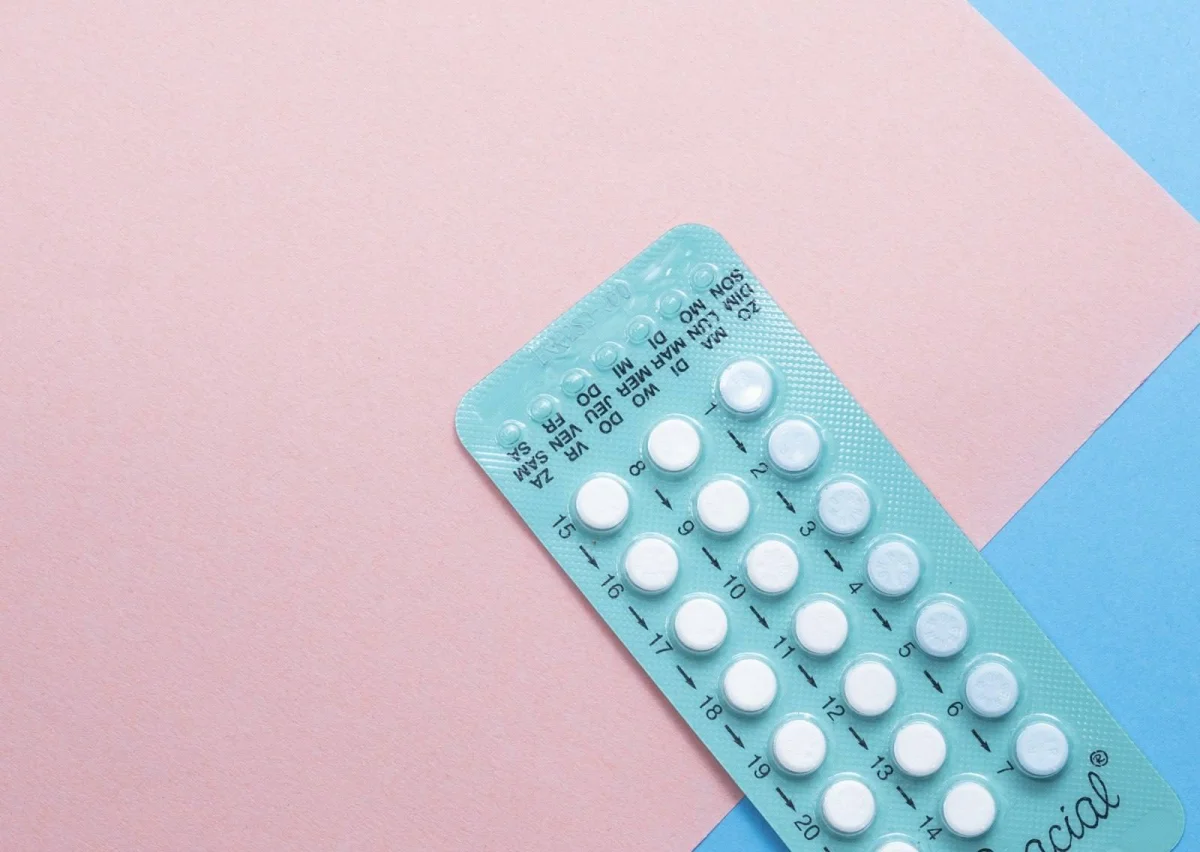
Combined oral contraceptive pills (containing both oestrogen and progestin), the contraceptive patch, and the combined vaginal ring typically work on a cycle that includes a hormone-free interval (traditionally 7 days, though some modern regimens use shorter intervals or continuous/extended regimens).
What happens during the hormone-free interval: the bleeding that occurs is a "withdrawal bleed" — caused by the drop in hormone levels, similar in some ways to what triggers a natural period, but it is not connected to ovulation in the same way a natural period is, because ovulation is suppressed by the combined hormonal method when taken correctly.
Why a tracker calibrated for natural cycles produces misleading "fertile window" predictions: if someone is using combined hormonal contraception correctly (which suppresses ovulation), there is no fertile window to predict in the way the natural cycle algorithm assumes — the withdrawal bleed occurs on a schedule determined by the pill-taking pattern, not by an underlying ovulatory cycle. A tracker that calculates "ovulation day" based on withdrawal bleed timing, as if it were a natural period, would be calculating something that doesn't correspond to actual physiology for someone using the method correctly.
Extended/continuous regimens: some people use combined hormonal methods continuously (skipping the hormone-free interval) specifically to avoid withdrawal bleeding altogether — in which case there's no "period" for a tracker to log in the traditional sense.
Progestin-only methods: more variable bleeding patterns
Progestin-only pills ("mini-pill"): depending on the specific formulation, these may or may not reliably suppress ovulation, and bleeding patterns on progestin-only pills are often described as more variable and less predictable than on combined methods for many users.
Hormonal IUDs (e.g., levonorgestrel-releasing): primarily work through local effects on the cervix and uterine lining, with variable effects on ovulation depending on the individual and the specific device. Many users experience significantly lighter periods over time, and some experience no bleeding at all (amenorrhea) after an initial adjustment period — which for period-tracking purposes means there may be little or nothing to track in terms of bleeding, though this doesn't necessarily mean ovulation is absent.
Contraceptive implant and injection: similarly variable — some users experience irregular bleeding, some experience reduced or absent bleeding, and patterns can change over the duration of use.
The tracking implication: for progestin-only methods, bleeding patterns often don't follow the same predictable monthly rhythm that period trackers are designed around, and the relationship between any bleeding that does occur and underlying ovarian activity is generally less clear-cut than in a natural cycle — making "predictions" based on bleeding pattern less meaningful for these methods.
Copper IUDs: the cycle continues largely unchanged
The copper IUD is non-hormonal — it doesn't suppress ovulation or alter the hormonal cycle. Users of copper IUDs generally continue to have natural ovulatory cycles, with their usual pattern of periods (though some users experience heavier or longer periods, particularly initially, as a known effect of the copper IUD).
For tracking purposes: a copper IUD user's cycle tracking works similarly to someone using no contraception at all, from a cycle-mechanics perspective — though obviously the purpose of any fertile-window awareness differs given that pregnancy prevention is being achieved through the IUD's mechanism rather than through cycle-based timing.
Why this matters for app-based tracking generally
Many popular period and cycle tracking apps ask users to specify their contraceptive method, and adjust their predictions and the information they display accordingly — recognising that "predicting ovulation" is a meaningful and useful calculation for someone with a natural cycle (whether trying to conceive, avoid conception via fertility awareness methods, or simply for general health tracking), but is a different kind of calculation — or not a meaningful calculation at all — for someone on hormonal contraception that suppresses ovulation.
For someone using fertility awareness methods (FAM) specifically as their contraceptive approach (covered in a previous article on this site), accuracy of cycle tracking is directly tied to the method's effectiveness — these methods are specifically designed for use with natural, unsuppressed cycles, and aren't compatible with hormonal contraception that alters the cycle being tracked.
Bleeding pattern changes when starting or stopping hormonal contraception
Starting hormonal contraception: many people experience changes to their bleeding pattern in the first few months of starting a new hormonal method, as the body adjusts — this is a commonly discussed aspect of starting hormonal contraception and is often temporary, though if irregular bleeding persists or is concerning, this is worth discussing with a healthcare provider.
Stopping hormonal contraception: the return to a natural cycle pattern after stopping hormonal contraception varies in timing between individuals — for some, ovulation and natural cycle patterns resume relatively quickly; for others it can take longer for cycles to become regular again. This is relevant for anyone tracking their cycle after stopping contraception, whether for general health monitoring or because they're trying to conceive — early cycles after stopping may not follow a typical pattern yet.
When irregular bleeding on hormonal contraception warrants medical discussion
While variable bleeding patterns are a recognised and often expected feature of many hormonal contraceptive methods (particularly progestin-only methods and during adjustment periods), certain patterns — such as very heavy bleeding, bleeding accompanied by significant pain, or any bleeding pattern that represents a notable change from what's typical for that individual on that method — are reasons to discuss with a healthcare provider, who can assess whether the pattern is an expected variation or whether further evaluation is warranted. This applies regardless of what any tracking app might be predicting or showing.
How to use the Period Calculator on sadiqbd.com
- For natural cycles (no hormonal contraception, or copper IUD): the standard calculation for predicting next period and fertile window is based on typical cycle mechanics
- For hormonal contraception users: be aware that "fertile window" predictions are not meaningful in the way they would be for a natural cycle, since ovulation may be suppressed (combined methods) or the relationship between bleeding and ovulation may be different (progestin-only methods)
- After stopping hormonal contraception: early cycle predictions may be less accurate until natural cycle patterns re-establish — tracking a few cycles before relying on predictions is often more informative
- Always discuss any concerning bleeding patterns with a healthcare provider — tracking tools are for general awareness, not medical diagnosis
Frequently Asked Questions
Can I get pregnant during the withdrawal bleed on combined hormonal contraception? When combined hormonal contraception is used correctly (including during the hormone-free interval, which is part of the designed regimen), ovulation is suppressed and pregnancy risk during the regimen — including the withdrawal bleed — is very low. However, if pills are missed, started late, or other use errors occur, this can affect the suppression of ovulation — this is a question best directed to a healthcare provider or pharmacist with specifics about the method and any missed doses, as guidance varies by formulation.
Does the hormonal IUD stop ovulation completely? This varies between individuals — some users continue to ovulate regularly while using a hormonal IUD (with the IUD's contraceptive effect coming primarily from its local effects rather than from suppressing ovulation), while others may have ovulation suppressed to varying degrees. This individual variability is part of why bleeding patterns on hormonal IUDs are themselves variable between users.
Is the Period Calculator free? Yes — completely free, no sign-up required.
Try the Period Calculator free at sadiqbd.com — track your cycle and understand what predictions mean for your specific situation.