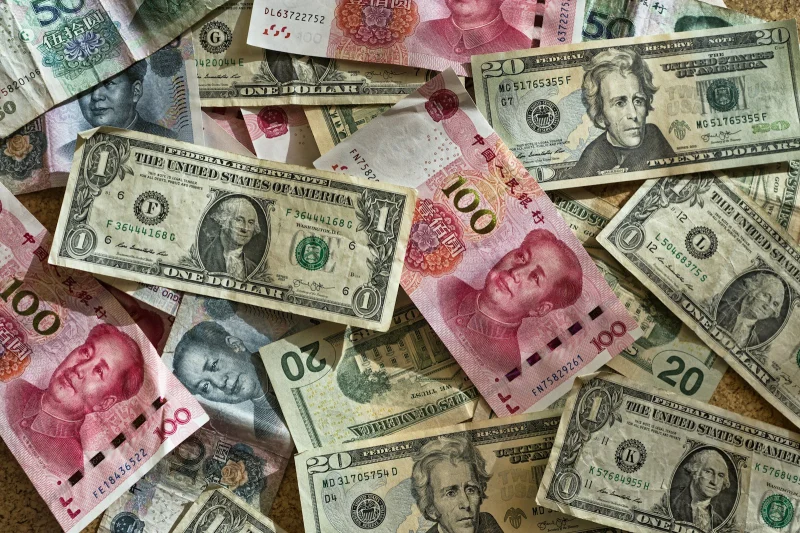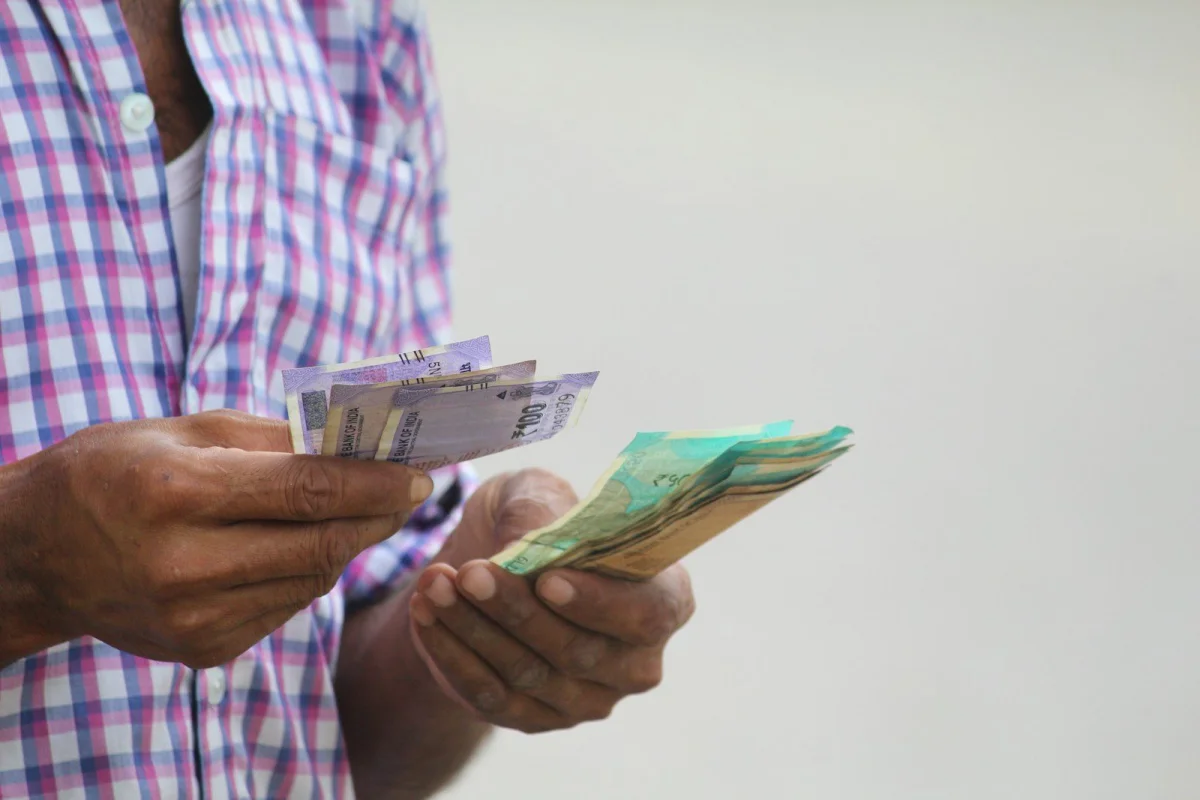
International remittances move $800+ billion per year — and most of it still goes through some of the most expensive transfer channels available
Migrant workers sending money home to families represent the largest financial flow from high-income to low-income countries. The World Bank tracks remittance costs through its Remittance Prices Worldwide database. The global average cost to send $200 internationally was approximately 6.2% in Q4 2023 — meaning $12.40 of every $200 is lost to fees and exchange rate margins. The G20's target is below 3%.
Understanding how the transfer industry works — and which services minimise cost for specific corridors — is genuinely valuable for the hundreds of millions of people who send money internationally.
The cost components of an international transfer
Transaction fee: a flat or percentage fee charged by the sender's transfer service. May be zero (Wise), small flat fee (Revolut), or significant (traditional banks: £15–35 per transfer).
Exchange rate margin: the difference between the mid-market (interbank) rate and the rate applied to the customer's transaction. This is the less visible cost. A 2% exchange rate margin on $1,000 = $20 of hidden cost. Major banks typically apply 2–5% exchange rate margins.
Recipient fees: some services charge the recipient for receiving funds, particularly to mobile money accounts in Africa.
Total cost = transaction fee + exchange rate margin
The exchange rate margin is often larger than the stated transaction fee — which is why "£0 transfer fee" claims require scrutiny.
Major money transfer operators and their typical costs
Wise (formerly TransferWise):
- Uses mid-market exchange rate (no rate margin)
- Charges transparent percentage fee (typically 0.35–1.5% depending on corridor)
- Best for: GBP/EUR/USD corridors; good for developed-market-to-developed-market transfers
- Limitations: not available in all countries; some corridor fees higher
Remitly:
- Competes on specific corridors (US/UK to Philippines, India, Mexico, Pakistan, Bangladesh)
- Often promotional "first transfer" rates
- Typical cost: 1–3% of transfer value (varies heavily by corridor)
- Good for: direct bank/mobile wallet delivery in destination countries
Western Union:
- Legacy transfer network; 550,000+ agent locations worldwide
- Higher cost (3–7% typical effective rate) but physical cash pickup available where banking access is limited
- Useful when recipient has no bank account or when speed is critical
Remittance through banks:
- Most expensive option: £15–35 fee + 2–5% exchange rate margin
- Total effective cost on £200 transfer: 12–25%
- Only justified if compliance with existing bank relationship is necessary
M-Pesa international (East Africa):
- Enables direct transfer to mobile wallets
- For UK-Kenya corridor: typically competitive rates, growing acceptance
High-cost corridors: where remittance pricing hurts most
The World Bank identifies "sending corridors" — specific origin-destination pairs — and their costs. The most expensive corridors are often those serving smaller nations with less competitive transfer infrastructure.
High-cost corridors (approximate 2023 data):
- South Africa → Mozambique: ~18%
- South Africa → Zambia: ~20%
- UK → Tanzania: ~8–12%
- US → Mexico: ~4–6% (improved by competition from Wise, Remitly, WorldRemit)
Low-cost corridors:
- UK → India: ~2–4% (competitive market, large volume)
- US → Philippines: ~3–5%
- UAE → India: ~2–3%
Volume drives competition — high-volume corridors attract more providers, driving down costs. Niche corridors remain expensive because the market doesn't support many competitors.
The banking access question: mobile money
For recipients in countries with low banking penetration, mobile money delivery is often the only practical option. M-Pesa (Kenya, Tanzania, Uganda), MTN Mobile Money (various West/Central African countries), and GCash/GoPay (Philippines) enable cash transfer without bank accounts.
This matters because approximately 1.4 billion adults globally remain unbanked (World Bank Global Findex 2021). For these recipients, the ability to receive directly to a mobile wallet rather than requiring bank account ownership is the difference between receiving the transfer or not.
How to use the Currency Exchange Calculator on sadiqbd.com
For remittance planning:
- Check the mid-market rate — this is the benchmark rate with no margin
- Compare to your transfer service's offered rate — the difference is the exchange rate margin
- Calculate total effective cost = (mid-market rate − your rate) / mid-market rate × 100 + any flat fees, divided by the transfer amount
- Monitor over time — rates fluctuate; timing a transfer by even 1–2% can save meaningful amounts on large transfers
Frequently Asked Questions
Why doesn't everyone just use Wise? Wise is excellent for most developed-market corridors. It has limitations: not available to all sending countries; cash pickup not available (funds must go to a bank or e-wallet); recipient must have a bank account or supported mobile wallet; some corridors (especially to Pacific Islands, smaller African nations) have high fees or limited availability.
Is cryptocurrency a viable alternative for remittances? In theory, crypto enables near-zero-cost international transfers. In practice: price volatility, recipient's need to convert to local currency (at a cost), limited acceptance, and regulatory restrictions in many countries limit practical use. Stablecoins (USDC, USDT) reduce the volatility issue but don't fully solve the last-mile local currency conversion problem. Some remittance services now use crypto rails behind the scenes (Stellar, Ripple) while presenting a fiat-facing interface.
Is the Currency Exchange Calculator free? Yes — completely free, no sign-up required.
Try the Currency Exchange Calculator free at sadiqbd.com — check live exchange rates for any currency pair and calculate the true cost of a transfer.