Temperature Converter
Articles, guides, and in-depth tips for the Temperature Converter — everything you need to get the most out of it.
✦ AI-powered — understands natural language

Labs Have Reached 450 Picokelvin But Can Never Reach Zero — Absolute Zero, Superfluidity, and Why Quantum Computers Run Colder Than Deep Space
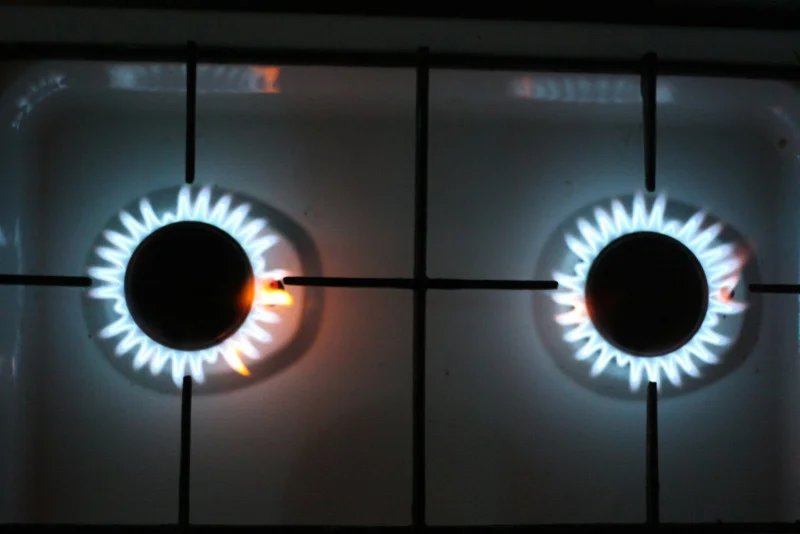
Fan Oven vs Conventional, Gas Marks, and the Maillard Reaction — Why Cooking Temperature Is More Than Just a Number
Fan oven vs conventional oven differs by 20°C of cooking power — a recipe at 200°C conventional should be 180°C in a fan oven. Here's the complete Celsius/Fahrenheit/Gas Mark conversion table, why domestic ovens typically run 10-25°C off from their dial, the Maillard reaction temperature thresholds that explain why cooking temperature matters beyond "cooked through," and why 350°F became America's default baking temperature.

Why −40°C = −40°F: The Math Behind Temperature Conversion and What It Reveals About How Scales Were Designed
−40°C and −40°F are the same temperature — the only point where both scales agree — and this follows directly from the algebra of two scales defined with different zero points and different degree sizes. Here's where the 9/5 and +32 in the conversion formula actually come from, why Kelvin starts at absolute zero (and why that matters for physics equations), the Rankine scale almost nobody uses, and why 98.6°F is a rounded conversion artifact rather than a precise measurement.
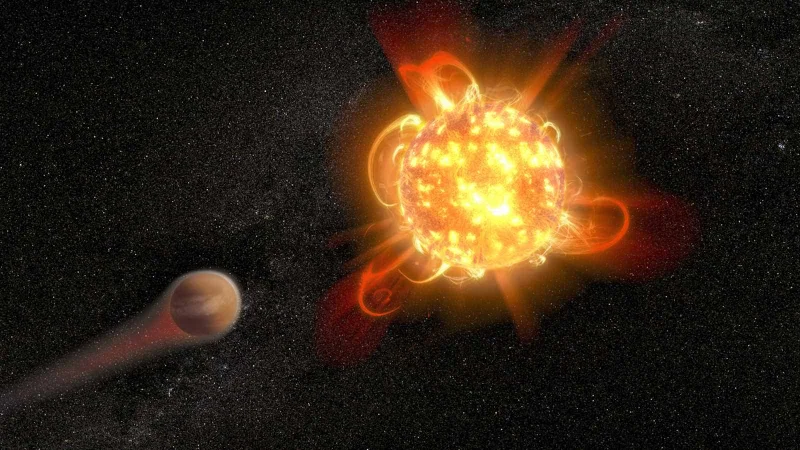
Extreme Temperatures: From Blast Furnaces to Quantum Computers to Stellar Classification
Gas turbine blades operate above their own melting point, cooled by internal airflow. Quantum computers run at 15 millikelvin — colder than outer space. Here's industrial thermocouples and pyrometer accuracy, extreme industrial temperatures, cryogenic applications, and how stellar surface temperature determines star colour.

Fahrenheit vs Celsius: Why the US Kept One Scale and the Rest of the World Chose the Other
The US uses Fahrenheit by historical accident, not informed choice. Here's the origin of both scales, why Fahrenheit defenders have a point about weather ranges, absolute zero and superconductivity, food safety temperatures, and the one point where both scales agree.
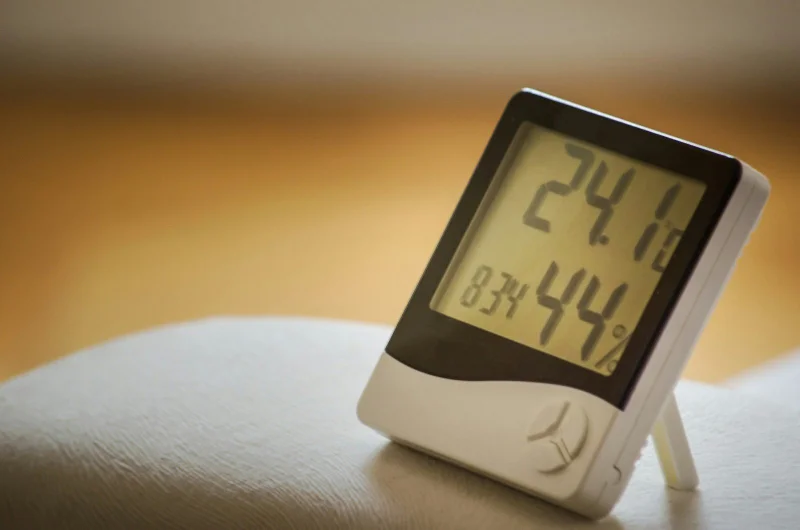
Temperature Converter — Celsius, Fahrenheit & Kelvin for Cooking, Weather & Science
Learn how Celsius, Fahrenheit, and Kelvin relate to each other, key temperature reference points for weather and medicine, why Kelvin exists, and how to use a free temperature converter for cooking, travel, and science.
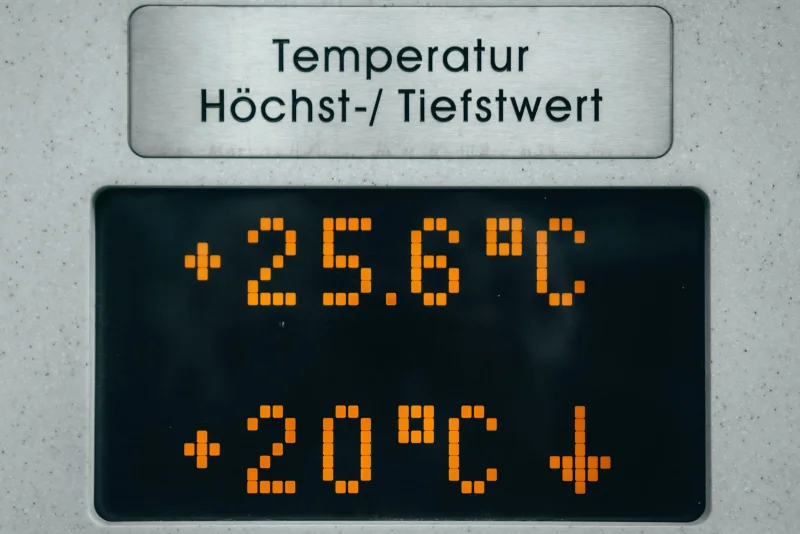
Temperature Converter — Celsius, Fahrenheit & Kelvin Explained
Learn how to convert between Celsius, Fahrenheit, and Kelvin — why the formulas aren't simple multiplications, and real examples for cooking, weather, fever, and science — with a free temperature converter.
