Port Scanner
Articles, guides, and in-depth tips for the Port Scanner — everything you need to get the most out of it.
✦ AI-powered — understands natural language
What Port Scanning Means in a Zero Trust Network — Microsegmentation, mTLS, and Kubernetes Exposure

Shodan Already Has Your Open Ports — What Attackers Learn From Port Scans and Why You Should Run Them Too
The entire internet-facing IPv4 space can be scanned in under an hour — Shodan and Censys already have your server's open ports catalogued. Here's what banner grabbing reveals (exact software versions → known CVEs), the difference between open/closed/filtered port states and why "filtered" is the preferred security posture, why SYN scanning doesn't appear in application logs, and what to look for when port scanning your own infrastructure.

IPv6's Address Space Is Too Big to Scan — Here's Why That Doesn't Make It Secure
A misconfigured open port on an IPv4 server gets found by automated scanners within hours, because the entire IPv4 address space is small enough to scan exhaustively. The same misconfiguration on an IPv6 server might never be found this way — not because it's more secure, but because 2^128 addresses is too large to scan at any practical rate. Here's how IPv6 hosts actually get discovered instead (DNS records, certificate transparency logs, predictable address patterns), and why "too big to scan" is security through obscurity, not security.

NAT and Port Forwarding for Home Networks: Why "Filtered" Doesn't Mean "Firewalled"
Most home network ports show "filtered" from the internet — not because of a configured firewall, but as a side effect of how NAT works: incoming connections without an existing mapping have nowhere to go. Here's the open/closed/filtered distinction, how NAT creates this effect, why port forwarding and UPnP change it, and the CGNAT limitation that can make port forwarding fail entirely.

Cloud Security Groups: AWS, GCP, Azure — Common Misconfigurations and How to Audit Them
Every major cloud breach has the same pattern: legitimate infrastructure, misconfigured security groups. Here's how AWS Security Groups, GCP Firewall Rules, and Azure NSGs work, the most common dangerous misconfigurations (databases open to 0.0.0.0/0), and why scanning your own cloud infrastructure is security hygiene.

Common Server Ports: Which Should Be Open and Which Must Be Firewalled
Every open port is a potential attack surface. Here's a practical reference of common ports — what they do, which should be publicly accessible, and which are commonly left dangerously exposed — with guidance on interpreting scan results.
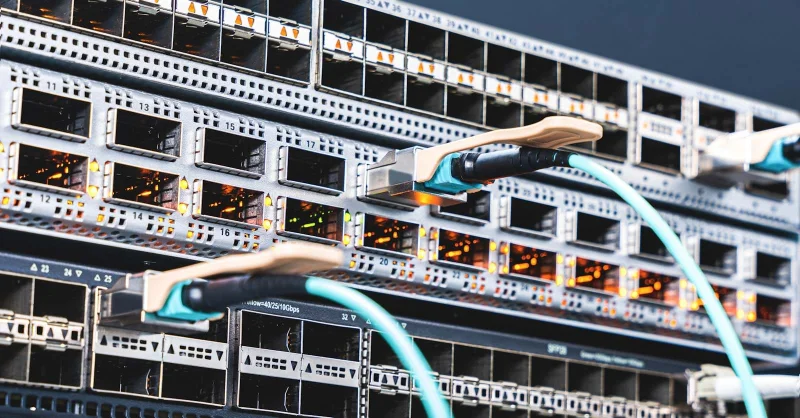
Port Scanner — Check Open Ports & Verify Server Security Configuration
Learn how port scanning works, what common port numbers mean, how to identify dangerous open ports, and how to use a free port scanner to verify your server's security posture.
