Calorie Intake
Articles, guides, and in-depth tips for the Calorie Intake — everything you need to get the most out of it.
✦ AI-powered — understands natural language
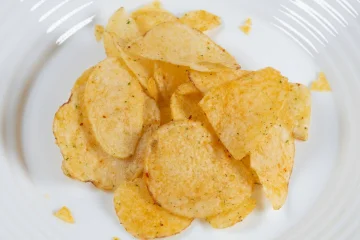
Why 300 Calories of Soup Beats 300 Calories of Crisps

Why 100 Calories of Protein Doesn't Equal 100 Calories of Carbs — The Thermic Effect of Food and What It Means for Your Calorie Target
Protein burns 20-30% of its own calories just in digestion — eat 100 calories of protein and you net roughly 70-80 calories. Fat burns only 0-3%. This "thermic effect of food" means macronutrient composition changes your effective calorie intake even if the label says the same total. Here's the full TEF breakdown, why it matters for calorie targets, and how high-protein diets exploit it.
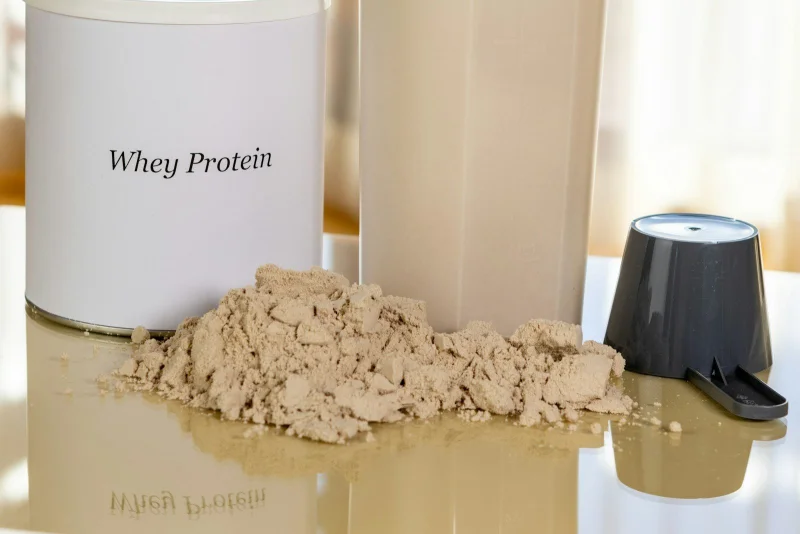
Why 100 Calories of Protein and 100 Calories of Fat Don't Arrive the Same Way — And Why Protein Should Come First in Your Calorie Budget
The same calorie deficit produces different results depending on what those calories are made of — protein has a 20-30% thermic effect (your body burns 20-30 calories per 100 just processing it) vs fat's 0-3%. Here's the satiety mechanisms behind protein's "keeps you full" reputation, the Protein Leverage Hypothesis for why ultra-processed food drives overeating, and why "protein first" is the most practical approach to allocating a calorie budget.

Alcohol Calories: Why Drinks Often Go Untracked, and Why Mixers Often Contribute More Than the Alcohol Itself
A glass of wine, a beer, and a cocktail can each contain anywhere from 100 to 600+ calories — and in many countries, alcoholic beverages aren't required to display calorie information at all, making them one of the largest "invisible" contributors to calorie intake. Here's why alcohol's 7 calories/gram adds up faster than expected, why cocktail mixers often contribute more calories than the alcohol itself, the "extra food around drinking" effect, and alcohol's distinct metabolic prioritization.

Intermittent Fasting and Meal Timing: Does When You Eat Actually Matter?
Intermittent fasting's weight loss effect appears to come largely from spontaneous calorie reduction, not a separate metabolic pathway — but circadian research suggests eating earlier in the day may benefit glucose tolerance independent of weight. Here's what controlled trials actually show about meal timing, autophagy claims in context, and who IF tends to suit.
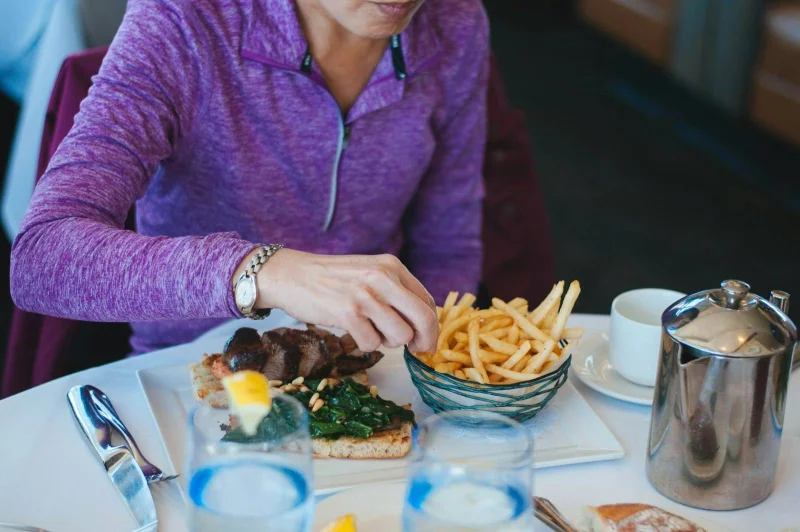
Ultra-Processed Food and Calorie Intake: Why the NIH Study Changed the Conversation
A controlled NIH experiment showed people spontaneously ate 508 more calories per day on ultra-processed food vs. whole food — with identical macros. Here's why ultra-processed food drives overconsumption, what the satiety index reveals, and how food quality affects whether a calorie target feels effortless or exhausting.
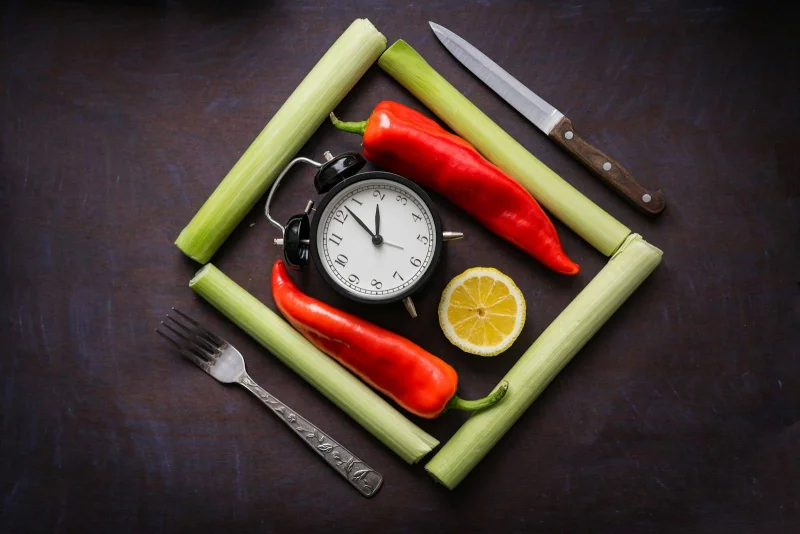
Why Calorie Counting Is Less Accurate Than You Think — And Still Useful
Calorie counts have ±20% label tolerances, cooking changes calorie availability, gut bacteria affect absorption efficiency, and trackers overestimate burns by 30–90%. Here's what that means for how you should actually use calorie tracking.
Calorie Intake Calculator — Find Your Personalised Daily Calorie Target
Learn how to calculate your daily calorie needs for weight loss, maintenance, or muscle gain based on your BMR and activity level — with real examples, common misconceptions, and a free calorie intake calculator.
