Cron Explainer
Articles, guides, and in-depth tips for the Cron Explainer — everything you need to get the most out of it.
✦ AI-powered — understands natural language

Why 0 0 1 * 1 Runs 63 Times a Year: The Cron OR Trap

Kubernetes CronJob vs Traditional Cron — ConcurrencyPolicy, TimeZone Support, and Why Serverless Changes Everything
Kubernetes CronJob adds concurrencyPolicy (Forbid/Allow/Replace), startingDeadlineSeconds for missed run recovery, and — since Kubernetes 1.25 — a timeZone field that classic crontab never had. Here's how cloud-native scheduling differs from traditional cron, why serverless functions with 15-minute execution limits need Step Functions for long-running jobs, how Airflow's catchup=True causes burst runs after maintenance windows, and why GitHub Actions cron is always UTC.

Cron Doesn't Know What Timezone You Mean — The Server Timezone, Database Desync, and Kubernetes TimeZone Fix
A cron job at "0 9 * * *" doesn't run at 9 AM — it runs at 9 AM in whatever timezone the server is configured for, which may not match the timezone you're thinking in, your users' timezone, or your database's timestamp timezone. Here's the server timezone hidden dependency, why "send at 8 AM" is ambiguous without specifying a timezone, the database timestamp desync pattern, and the Kubernetes timeZone field that finally makes cron timezone-aware.
Cron and Daylight Saving Time: Why Your 2:30 AM Job Didn't Run — or Ran Twice
A cron job scheduled for 2:30 AM doesn't run on "spring forward" night, because 2:30 AM doesn't exist that night — and the same job might run twice on "fall back" night, because 2:30 AM happens twice. Here's why this is exactly the time window many maintenance jobs use, why UTC eliminates the problem entirely for most automated jobs, and why "9 AM local time" scheduling that survives DST requires timezone-aware libraries, not static cron expressions.

How the Cron Daemon Works: OS Scheduling, Process Priority, and When to Use systemd Timers Instead
Cron wakes up once per minute, runs with a minimal PATH, and executes via /bin/sh — which is why working shell commands often fail in crontabs. Here's how crond works as a daemon, why environment variables must be set explicitly, process priority with nice values, and why systemd timers handle missed jobs better.

Production Scheduled Jobs: Idempotency, Monitoring, and Modern Alternatives to Cron
Cron jobs fail silently and traditional cron has no alerting, no history, and no overlap prevention. Here's idempotency design for scheduled jobs, modern alternatives (Celery Beat, AWS EventBridge, Kubernetes CronJobs), and the dead man's switch monitoring pattern.
Cron Explainer — Translate Any Cron Expression to Plain English
Learn how cron expression syntax works, what each field means, common schedules explained in plain English, cron pitfalls like timezone issues and overlapping jobs, and how to use a free cron explainer tool.
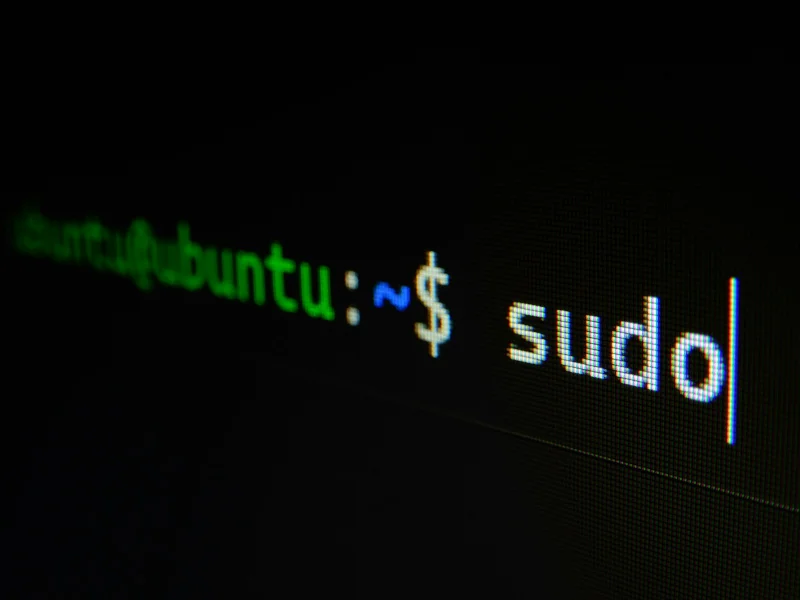
Cron Explainer — Understand Any Cron Expression in Plain English
Learn how cron expression syntax works, what each field means, common scheduling patterns decoded, and how to use a free cron explainer to verify your schedule before deploying it.
