Time Converter
Articles, guides, and in-depth tips for the Time Converter — everything you need to get the most out of it.
✦ AI-powered — understands natural language

UTC Is 37 Seconds Behind Atomic Time — Why Leap Seconds Exist, Why They Crash Software, and What Replaces Them After 2035

Why Leap Seconds Crash Websites — The Engineering Disaster That Happens Every Few Years (and Won't After 2035)
A leap second adds 23:59:60 to the clock — a second most software assumes can't exist. Here's how the 2012 Linux kernel leap second bug took down Reddit, Yelp, and LinkedIn by sending CPU usage to 100%, how Google and AWS "smear" the leap second across hours to make it disappear gracefully, and why the ITU voted in 2022 to abolish leap seconds entirely before 2035 — ending a recurring distributed systems disaster that occurs every few years.

10,000 Hours Is 1.14 Calendar Years — But in Work Years, It's 5: Why Time Conversion Needs Context
"How long is 1,000 hours?" has an arithmetic answer (41.67 days) and a contextual answer that depends on hours per day and days per week — and two people asking the same question usually want the contextual answer. Here's why "hours to months or years" needs a working-rate input the pure conversion can't provide, the working year (2,000 hours) vs calendar year (8,760 hours) distinction for project planning, why months aren't fixed-length, and the 10,000-hours-to-mastery conversion unpacked.
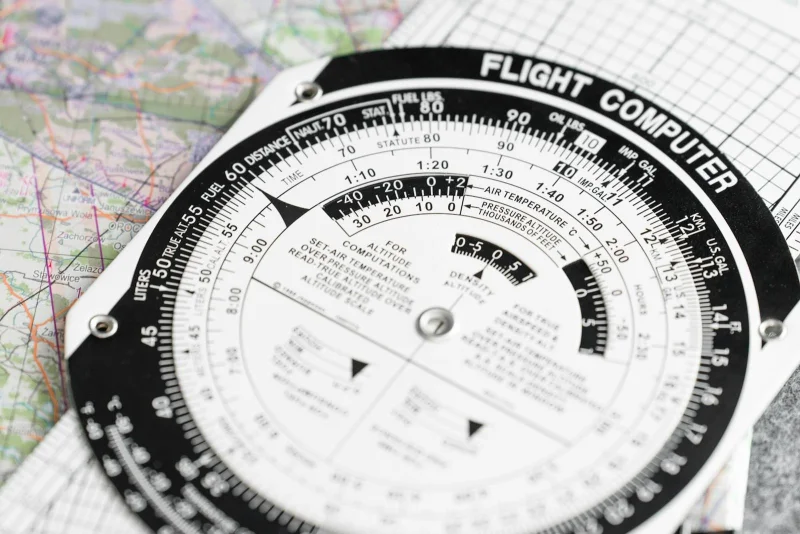
From Sundials to Atomic Clocks: How Timekeeping Precision Enabled GPS Navigation
The second was once 1/86,400 of a day. Now it's defined by caesium atom oscillations — 9,192,631,770 per second — because GPS requires nanosecond timing to achieve metre-level accuracy. Here's the history from sundials to atomic clocks, how GPS trilateration works, and why relativistic corrections are essential.

Time Precision in Computing: Why Nanoseconds, NTP, and Leap Seconds All Matter
Nanoseconds define CPU cache speeds; milliseconds define user experience; microseconds determine whether distributed database clocks can be trusted. Here's the computing time hierarchy, NTP clock synchronisation, why leap seconds cause outages, and what P99 latency means.
Time Converter — Milliseconds to Years: Every Time Unit Explained
Learn time unit conversions across scales — from nanoseconds in computing to centuries in history — how many seconds in a year, what 10,000 hours really means, and how to convert any duration with a free time converter.

Time Converter — Seconds, Minutes, Hours, Days & Years Explained
Learn how time units from milliseconds to years relate to each other, with real examples from computing, project planning, physics, and finance — plus a free time unit converter.
